
By Jaye Kenzie

The future isn’t just knocking—it’s already stepping through the door. From AI-powered healthcare to quantum computing breakthroughs, tomorrow’s technology is reshaping how we work, live, and even think about existence. But are we truly ready for what’s coming?
The Rise of AI and Automation
Artificial intelligence is no longer a futuristic dream—it’s an everyday reality. From smart assistants to predictive analytics, AI is revolutionizing industries, making our lives more efficient while raising ethical and philosophical questions about dependency and control.
Biotechnology and Longevity
Advancements in gene editing and regenerative medicine are pushing the boundaries of human health. Could we be on the brink of reversing aging or curing diseases once thought incurable? The implications stretch far beyond medicine, affecting society, economy, and even identity.
Quantum Computing: The New Frontier
Forget traditional computing—quantum technology is unlocking new possibilities that were once unimaginable. With the ability to process vast amounts of data at unprecedented speeds, quantum computers could redefine cybersecurity, materials science, and artificial intelligence itself.
The Ethical Crossroads
With technology moving at breakneck speed, society is faced with crucial ethical dilemmas. How much privacy are we willing to sacrifice for convenience? Can AI make unbiased decisions? Should we genetically enhance future generations? Readiness isn’t just about adopting new technology—it’s about understanding the consequences.
Embracing the Future
While uncertainty is inevitable, one thing is clear: technology will continue to evolve, and we must evolve with it. Instead of fearing change, we should focus on education, adaptability, and ethical foresight. The future isn’t waiting—it’s here. The question is, are you ready for it?
The Rise of AI and Its Impact:
AI: A Game-Changer for Every Industry
Artificial intelligence has evolved from a futuristic concept into a driving force behind innovation. Businesses, governments, and individuals are integrating AI into their daily lives, revolutionizing everything from customer service to scientific research.
Workplace Transformation
AI-powered automation is changing the way people work. Routine tasks—from data entry to customer interactions—are increasingly handled by intelligent systems. While this boosts efficiency, it also sparks concerns about job displacement and the need for upskilling. The future of employment may rely heavily on adaptability, with workers learning to collaborate with AI rather than compete against it.
Healthcare Breakthroughs
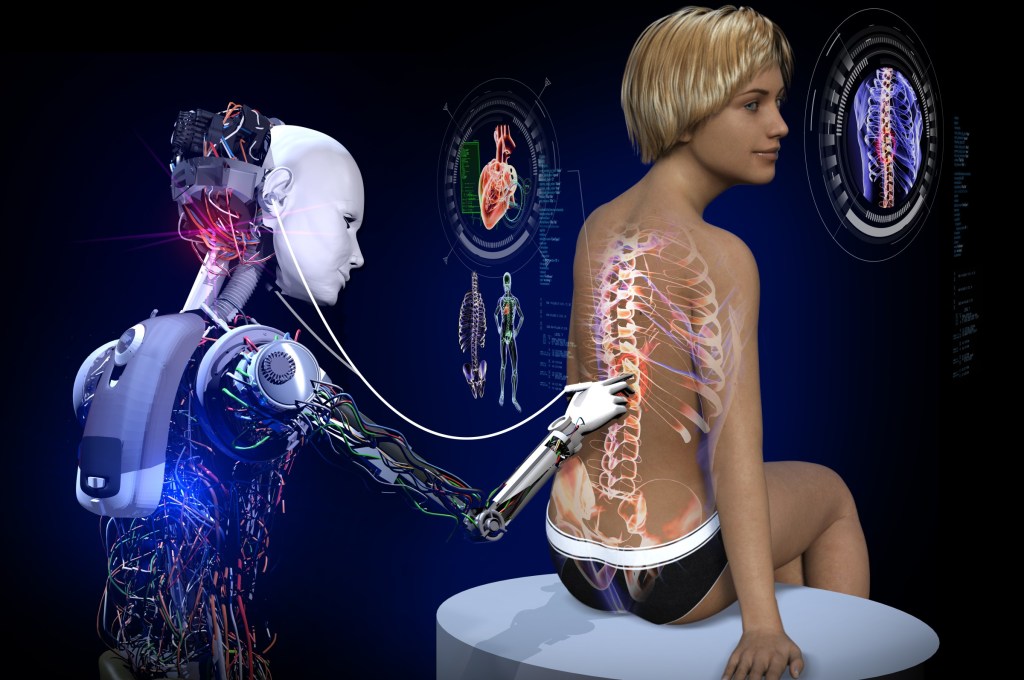
AI is making astonishing advancements in medicine. From predictive diagnostics to robotic surgeries, machine learning algorithms are enhancing patient care and improving accuracy in disease detection. AI-driven drug discovery has accelerated research, allowing scientists to develop treatments for complex illnesses in record time.
The Ethical Dilemma
As AI grows more sophisticated, ethical concerns arise. How do we ensure fair algorithms that don’t reinforce biases? Should autonomous AI systems make life-altering decisions, such as medical diagnoses or legal rulings? The challenge lies in balancing technological progress with ethical responsibility.
The Human-AI Relationship
AI is also shaping social interactions. Virtual assistants, chatbots, and recommendation algorithms personalize user experiences, making technology feel more intuitive and responsive. But as AI begins to mimic human emotions and conversations, it begs the question: How much should we rely on artificial intelligence in our personal lives?
Looking Ahead
AI is not just a tool; it’s a transformation. Its growth promises unparalleled efficiency, creativity, and breakthroughs, but it demands caution, regulation, and a thoughtful approach to integration. The future isn’t about AI replacing humans—it’s about finding ways to amplify human potential.
AI is reshaping the job market, creating entirely new roles that blend technology, ethics, and human expertise. Here are some emerging careers that could become mainstream:
1. AI Prompt Engineer
Specialists who craft precise prompts to optimize AI-generated content, ensuring models produce accurate and useful responses.
2. AI Model Trainer
Professionals who fine-tune AI algorithms by feeding them curated datasets, improving their accuracy and reliability.
3. AI Ethics Consultant
Experts who assess AI systems for fairness, transparency, and bias, ensuring responsible development and deployment.
4. Digital Twin Architect
Engineers who design virtual replicas of physical systems, allowing businesses to simulate and optimize real-world processes.
5. Emotion Recognition Specialist
Researchers who develop AI models capable of interpreting human emotions, enhancing applications in healthcare, customer service, and entertainment.
6. AI Business Strategist
Consultants who help companies integrate AI into their operations, identifying opportunities for automation and innovation.
7. AI Auditor
Professionals who evaluate AI-generated outputs for accuracy, bias, and ethical compliance, ensuring AI systems meet regulatory standards.
8. Cybersecurity AI Analyst
Security experts who use AI to detect and prevent cyber threats, strengthening digital defenses against evolving risks.
9. AI Explainer
Communicators who translate complex AI concepts into understandable insights for businesses, policymakers, and the general public.
10. AI-Assisted Healthcare Specialist
Medical professionals who leverage AI for diagnostics, treatment planning, and personalized patient care.
These roles highlight how AI is not just replacing jobs—it’s creating entirely new career paths in 2025](https://roboticsbiz.com/20-emerging-jobs-created-by-artificial-intelligence-ai-in-2025/). Which one sounds the most exciting to you?

 Stay Healthy Weekly
Leave a comment