
By Jaye Kenzie-SHWRT
Plasticizers, particularly phthalates, are added to plastics to enhance their flexibility and durability. Their widespread use has led to their presence in nearly all of us, alongside other plastic-associated chemicals like bisphenols, including BPA. These substances have been connected to numerous health issues, even at low levels. For an in-depth analysis, refer to the consumer comprehensive report titled “”The Plastic Chemicals Hiding in Your Food,” which includes the results of our tests of 85 food products.)
While most experts agree that big policy changes are needed to address the health risks posed by phthalates and bisphenols, in the meantime, there are some things you can do to help protect yourself and your family.
In Your Food
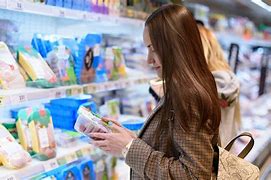
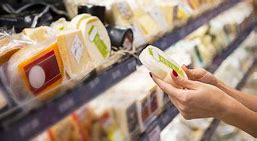
Limiting exposure to phthalates isn’t as simple as avoiding particular types of packaging, because these chemicals can enter your food long before it is packaged. The best solution, says Maricel Maffini, PhD, a chemical safety expert and the author of a recent study of phthalate risks, would be for manufacturers and regulators to ensure that our food was safe, so we wouldn’t “have to make these decisions when we go to the grocery store.” But that doesn’t mean you’re powerless now.
Reducing your exposure to plastic chemicals—including bisphenols and phthalates—may help you avoid some of the risks. These six steps can help.
- Choose Fresh, Whole Foods: Opt for fresh fruits and vegetables that aren’t packaged. This minimizes contact with potentially harmful chemicals.
- Avoid Plastic Containers: Use glass or stainless-steel containers for food storage. Avoid heating food in plastic containers, as heat can increase chemical leaching.
- Limit Fast Food: Fast food often comes in packaging that contains high levels of chemicals like phthalates.
- Be Cautious with Canned Foods: Many cans are lined with BPA or similar chemicals. Look for BPA-free labels or choose fresh or frozen alternatives.
- Reduce Use of Plastic Wrap and Bottles: Try to avoid plastic wrap and bottled drinks. Instead, use beeswax wraps and reusable water bottles.
- Check Recycling Codes: Avoid plastics labeled with recycling codes 3 (PVC) and 7 (other), as they are more likely to contain harmful chemicals.
Making these small changes can help reduce your exposure to the chemicals found in food packaging. Do you have any specific concerns or questions about this topic?
 Stay Healthy Weekly
Leave a comment