

By Sara Kemp-SHW Research Team
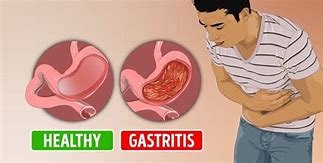
Gastritis is a condition characterized by inflammation, irritation, or erosion of the stomach lining. It can be caused by various factors, including:
- Infections: Particularly by the bacterium Helicobacter pylori.
- Excessive Alcohol Consumption: Alcohol can irritate and erode the stomach lining.
- Chronic Vomiting: This can lead to irritation and inflammation.
- Stress: Severe stress can increase stomach acid production, leading to gastritis.
- Medications: Long-term use of nonsteroidal anti-inflammatory drugs (NSAIDs) like aspirin and ibuprofen.
Symptoms of Gastritis
Common symptoms include:
- Nausea
- Abdominal bloating and pain
- Vomiting
- Indigestion
- Burning sensation in the stomach
- Loss of appetite
Treatment and Prevention
Treatment typically involves:
- Medications: Antibiotics for infections, antacids, and acid blockers to reduce stomach acid.
- Diet Modifications: Eating high-fiber foods, avoiding spicy and fried foods.
- Lifestyle Changes: Reducing alcohol intake, managing stress, and avoiding NSAIDs.
If you suspect you have gastritis, it’s important to consult a healthcare provider for a proper diagnosis and treatment plan.
Have you experienced any of these symptoms, or are you looking for ways to prevent gastritis?
Advertisements


 Stay Healthy Weekly
Leave a comment