
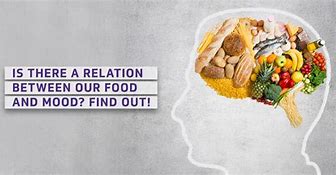

By psychologytoday.com
The link between diet and mood is an intriguing subject of research. Studies indicate that our dietary choices can have a profound effect on our mental health and emotional state. Here are some important aspects:
Nutrient-Dense Diets: Consuming a diet abundant in fruits, vegetables, whole grains, lean proteins, and healthy fats, such as the Mediterranean diet, is correlated with improved mental health. These foods supply vital nutrients that aid brain function and mitigate inflammation.
Gut-Brain Axis: The gut microbiome is integral to mental health. A diet rich in fiber and fermented foods supports the proliferation of beneficial gut bacteria, which may enhance mood and cognitive abilities.
Blood Sugar Stability: Eating regular, balanced meals to keep blood sugar levels stable can avert mood fluctuations and irritability. In contrast, diets laden with refined sugars and processed foods can cause blood sugar levels to spike and plummet, potentially affecting mood adversely.
Omega-3 Fatty Acids: Present in fish, flaxseeds, and walnuts, omega-3 fatty acids contribute to brain health and are associated with reduced depression rates.
Vitamin D: Emerging research suggests that vitamin D, sourced from sunlight and specific foods, might influence mood regulation and help prevent depression.
Hydration: Adequate hydration is crucial for good mental health. Insufficient water intake can cause fatigue and impair concentration and mood.
Although the precise mechanisms continue to be explored, it is evident that a nutritious diet is an essential component of comprehensive mental health care. Have you noticed any particular foods that seem to affect your mood?


 Stay Healthy Weekly
Leave a comment