
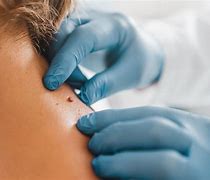
Why am I getting skin tags?
Content by AADA
These growths can appear anywhere on the skin, but they usually develop where skin has been rubbing against skin, jewelry, or clothing for some time. That’s why they usually occur in one or more of these areas:
- Breasts (beneath)
- Eyelids
- Groin
- Neck creases (or where clothing or jewelry rubs against the neck)
- Underarms
Skin tags are also commonly found on the sides, abdomen, or back.
Because they develop where skin rubs against skin, people who are overweight, pregnant, or have loose skin are more likely to get skin tags.
You also have a higher risk of developing skin tags if you have diabetes, metabolic syndrome (high blood pressure, unhealthy blood sugar levels, extra fat around your waist, or unhealthy cholesterol levels), or a blood relative has skin tags.
It’s important to keep in mind that these growths are harmless.
Should I remove a skin tag?
Because they’re harmless, a skin tag only needs to be removed if it:
- Becomes irritated or bleeds
- Develops on your eyelid and affects your eyesight
- Feels painful, especially when the pain comes on suddenly
A skin tag can become irritated if it frequently rubs against jewelry, clothing, or a seat belt. Shaving can also irritate it, especially if you nick the skin tag. A dermatologist can remove these skin tags.
Suddenly developing many skin tags while rare can be a sign that something is going on inside your body.
If this happens, see a board-certified dermatologist, who can make sure you have skin tags and may recommend that you see your primary care doctor.
If you dislike the way a skin tag looks, your dermatologist can also remove it. However, you’ll likely pay the cost. Insurance providers consider removing a skin growth for looks alone a cosmetic treatment. Insurance rarely covers the cost of cosmetic treatments.
How does a dermatologist remove skin tags?
Your dermatologist can quickly and safely remove one or more skin tags during an office visit, and usually without the need for a follow-up appointment.
The treatment that your dermatologist uses will depend on the size of the skin tag, where it appears on your body, and other considerations.
Your dermatologist may use:
- Cryosurgery: During this treatment, your dermatologist applies an extremely cold substance like liquid nitrogen to freeze and destroy the skin tag. Sometimes, freezing causes a blister or scab. When the blister or scab falls off, so will the skin tag.
When using cryosurgery, your dermatologist may freeze only the bottom of the skin tag and then snip it off with a sterile surgical blade or scissors. - Electrodesiccation: Your dermatologistuses a tiny needle to zap the skin tag, which destroys it.You’ll develop a scab on the treated skin that will heal in one to three weeks.
- Snip: Your dermatologist will numb the area, use sterile surgical scissors or a blade to remove the skin tag, and then apply a solution to stop the bleeding.
After treatment, your dermatologist may give you aftercare instructions to follow. This may include removing the bandage, washing the area carefully, and covering it with a new bandage.
Follow your aftercare instructions carefully to prevent problems like an infection.
Products that you can use at-home to remove skin tags are not recommended
The U.S. Food and Drug Administration (FDA) has not approved any of these products. Because of the harm these products can cause, the FDA warns people NOT to use them



 Stay Healthy Weekly
Leave a comment