
By Sara Long
Warts are generally harmless but can be unsightly. They often resolve on their own over time. However, if you opt for treatment, there are options available.
“Treatment varies based on the wart’s type and severity,” explains Dr. Brittney Schultz, MD, a dermatologist at M Health Fairview and the University of Minnesota Medical School. “It can be tailored to the wart’s appearance, its location, and the individual’s immune response,” she notes.
Warts are the result of exposure to the human papillomavirus (HPV). According to Schultz, there are over 100 types of HPV. Strains of HPV that cause warts can be transmitted through skin-to-skin contact, including sexual contact, or by touching surfaces that are contaminated. Warts can also spread from one part of the body to another.
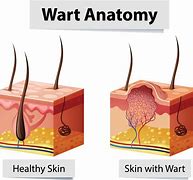
Warts are primarily caused by an infection with certain strains of the human papillomavirus (HPV). The virus infects the epithelial cells of the skin, often entering through small cuts or abrasions, which leads to the rapid multiplication of these cells and the formation of warts.
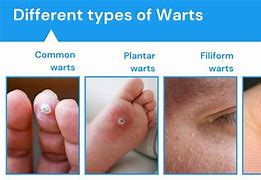
HPV is a highly contagious virus. Depending on the strain, HPV may cause warts on different parts of the body, she says. For example, some strains will cause warts that will manifest on the hands and feet, while infection to others may trigger the formation of warts on the genitals. There are also strains of HPV that do not cause warts at all. According to Cleveland Clinic and Healthline, types of warts include:
- Common warts
- Plantar warts
- Genital warts
- Mosaic warts
- Flat warts
- Butcher’s warts
- Filiform warts
- Focal epithelial hyperplasia (Heck’s disease)
- Periungual warts
“Leaving a wart untreated may result in its eventual disappearance,” states Schultz, although this process could span years.
Treating warts presents a challenge, according to Schultz, due to the HPV virus’s proficiency in concealing itself beneath the skin’s surface, evading the immune system’s detection. Consequently, wart treatments aim to provoke skin irritation and stimulate the immune response, she clarifies.
Salicylic acid-based over-the-counter wart remedies gradually erode the wart, layer by layer. Available as patches, liquids, or gels, these products are recognized by the Cleveland Clinic as potentially effective wart treatments, notes Schultz. Nevertheless, if used as the only treatment method, one might expect to apply them for several months or even years to achieve wart removal.
How to get rid of warts
If you’re experiencing pain, your wart is spreading, or it’s not improving with over-the-counter methods, it may be time to seek medical treatment.
According to Schultz, there is no universal solution for treating warts. While some individuals may find certain treatments effective, others may struggle with more stubborn warts.
Cryotherapy is the most prevalent treatment performed in clinics for warts, as Schultz details. This method involves applying liquid nitrogen to the wart, which destroys the surrounding skin tissue. For enhanced healing, Schultz advises using salicylic acid products in conjunction with cryotherapy.



 Stay Healthy Weekly
Leave a comment