
By Jaye Kenzie
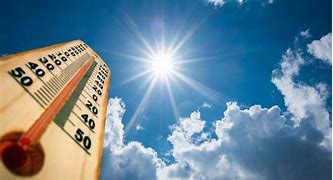
Summer heatwaves are more than just uncomfortable; they can be a serious health hazard. Knowing how to manage extreme heat is vital for preserving your health during the year’s hottest months. This guide offers crucial health advice and tactics for staying cool, hydrated, and healthy amidst summer heatwaves. Adhering to these tips can help you reduce the dangers of high temperatures and ensure a safer, more enjoyable summer.
Staying Hydrated
Hydration is key during a heatwave, as your body expends more water through perspiration. It’s recommended to drink at least eight to ten glasses of water daily, and more if you’re physically active or outdoors. Steer clear of beverages that may lead to dehydration, like alcohol, caffeinated drinks, and sugary sodas. Keep a water bottle handy and sip regularly throughout the day. Proper hydration aids in maintaining your body’s temperature, preventing dehydration, and promoting overall health in warm climates.
Wearing Appropriate Clothing
Selecting suitable attire is crucial for comfort during a heatwave. opt for light, airy, and pale-colored garments made of breathable materials such as cotton or linen. These fabrics permit your skin to breathe and facilitate the evaporation of sweat. Shun dark shades that can attract heat and intensify your discomfort. Dressing appropriately helps you stay cool and diminishes the likelihood of heat-induced ailments.
Using Sunscreen
During a heatwave, it’s imperative to shield your skin from the damaging UV rays of the sun. Use a broad-spectrum sunscreen with a minimum SPF of 30 on all exposed areas, even when it’s overcast. Reapply every two hours, or more frequently if you’re swimming or perspiring. Donning a wide-brimmed hat and sunglasses further protects your face and eyes. Sunscreen application is crucial to avoid sunburn and lower the risk of skin cancer and other sun-related harm.
Avoiding Peak Sun Hours
The sun emits its strongest rays from 10 a.m. to 4 p.m., marking the day’s hottest hours. It’s advisable to stay indoors or in the shade during these times if possible. Schedule outdoor activities for early morning or late evening when it’s cooler. If you need to be outside, take regular breaks in the shade and refrain from intense activities. Staying out of the sun during peak hours keeps you cooler and lowers the risk of heat-related illnesses like heat exhaustion and heatstroke.
Keeping Your Home Cool
It’s vital to keep your home cool for comfort and health during heatwaves. Utilize fans and air conditioning to keep indoor temperatures bearable. Without air conditioning, close windows during the hottest part of the day and open them at night to let in the cool air. Blackout curtains or shades can also help block the sun’s heat. A cool home offers a haven from the heat and contributes to better sleep at night.
Eating Light and Healthy Meals
Consuming light and healthy meals can make heatwaves more bearable. Steer clear of heavy, hot meals that can raise your body temperature. Instead, have smaller, frequent meals rich in fruits and vegetables, which are hydrating due to their high-water content. Cold dishes such as salads, sandwiches, and smoothies are not only refreshing but also easier to digest. Light and healthy eating aids your body in managing the heat and sustaining energy levels.
Recognizing Signs of Heat-Related Illnesses
It is vital to recognize the symptoms of heat-related illnesses for immediate intervention and treatment. Symptoms of heat exhaustion include profuse sweating, fatigue, lightheadedness, nausea, and headaches. Without treatment, it may escalate to heatstroke, a severe medical emergency. Symptoms of heatstroke encompass an elevated body temperature, confusion, a fast heartbeat, and fainting. Immediate medical help should be sought if you or someone else exhibits signs of heatstroke. Early detection of heat-related illness symptoms is key to taking swift action and can be lifesaving.
Safely Staying Active
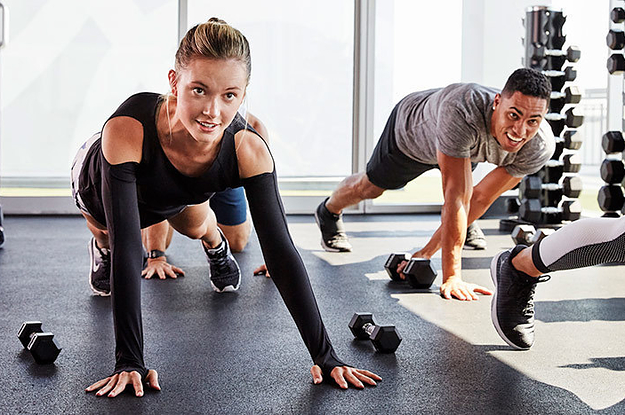
It’s feasible to stay active during a heatwave by taking certain precautions. opt for the cooler parts of the day to exercise, like early mornings or late evenings. Lower the intensity and shorten the duration of your workouts, and ensure you take regular breaks. Hydration is key, so drink ample water before, during, and after exercise. To remain active while avoiding the extreme heat, consider indoor activities such as yoga or swimming. Safe exercise practices help you keep fit and safeguard your health in hot conditions.
Employing Cooling Techniques
Employing cooling techniques can offer quick respite from high temperatures. Lower your body temperature with cool showers or baths. Apply damp cloths or ice packs to your neck, wrists, and ankles, where blood vessels are near the skin’s surface. Whenever possible, stay in air-conditioned environments like shopping centers, libraries, or community centers. Cooling techniques aid in maintaining comfort and minimizing the risk of heat-related health issues.
Protecting Vulnerable Populations
Specific groups are particularly susceptible to heatwaves, such as infants, the elderly, and those with chronic health conditions. It’s crucial to make sure these individuals remain hydrated, cool, and shielded from the sun’s rays. Regularly check on elderly neighbors or relatives to verify they are managing the heat well. Offer ample fluids and light fare, and suggest they spend time in air-conditioned or shaded environments. Taking measures to safeguard vulnerable groups is key to ensuring the safety and health of all during periods of intense heat.
Staying Informed
Being well-informed about weather conditions and heat advisories is crucial for preparing for and responding to heatwaves. It’s important to heed local news and weather forecasts, and to adhere to any guidance or alerts provided by officials. Utilize weather applications or websites to keep track of temperature changes and organize your plans accordingly. Being knowledgeable enables you to take preemptive measures to safeguard yourself and your loved ones from the risks of severe heat.
Preparing for Power Outages
During heatwaves, power outages may happen because of the higher demand on the electrical grid. To prepare, have a contingency plan for staying cool. Stock up on battery-operated fans, ice packs, and ample water. Be aware of the locations of cooling centers or air-conditioned public spaces in your area. Being prepared for power outages helps ensure that you remain comfortable and safe, even when home cooling systems fail.
Promoting Community Awareness
Raising community awareness about heatwave safety is key to protecting everyone in your vicinity. Distribute tips and information to neighbors, friends, and family. Engage in community efforts to offer cooling resources, like establishing cooling centers or handing out water. Inform others about the symptoms of heat-related illnesses and appropriate responses. Such community awareness drives a united effort to remain secure and healthy during heatwaves.
Handling summer heatwaves involves a mix of preemptive actions and knowledge. Essential personal protection measures include staying hydrated, dressing suitably, and applying sunscreen. To increase comfort and health, avoid the sun’s peak hours, cool your home, and opt for lighter meals. It’s vital to recognize the symptoms of heat-related illnesses, engage in safe physical activity, and employ cooling methods to manage the intense heat. Ensuring the safety of vulnerable groups, staying updated, preparing for power disruptions, and fostering community awareness are all part of a thorough approach to safety during heatwaves. Follow these suggestions to remain cool, healthy, and secure throughout the warmest months.

 Stay Healthy Weekly
Leave a comment