

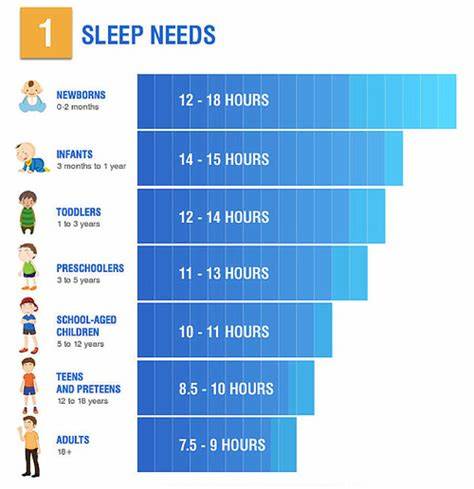
Dr. Abhinav Singh, Medical Director of the Indiana Sleep Center and Clinical Assistant Professor at Marian University, clarifies that two types of sleep occur at night, both necessary for optimal rest. “Adults usually experience four to six sleep cycles per night,” Singh says, “which equates to about 7 to 9 hours of sleep to cover the range.” The two sleep types are:
Non-Rapid Eye Movement (NREM) Sleep: NREM sleep includes stages 1 to 3, regulated by homeostasis. Stages 1 and 2 are considered ‘light’ because awakening is easier. Most of the night is spent in stage 2. Stage 3, known as deep or slow-wave sleep, is when the body performs maintenance tasks like muscle repair, growth hormone secretion, brain detoxification, and certain memory functions.
Rapid Eye Movement (REM) Sleep: REM sleep, also called dream sleep, is controlled by circadian rhythms. During this phase, the brain processes memories, emotions, and overall understanding.
Although some stages are lighter or deeper, they can still be awakened from each.


 Stay Healthy Weekly
Leave a comment