
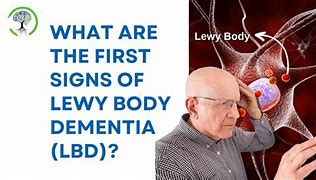
Lewy body dementia (LBD) is often referred to as the “other” dementia. It impacts approximately 1.4 million individuals in the United States, yet it lacks the widespread recognition of Alzheimer’s disease.
Lewy Body Dementia (LBD) often escapes the attention of many medical professionals and can be challenging to diagnose early, leading to frequent misdiagnoses or prolonged periods before the correct diagnosis is made.
LBD may manifest in individuals with Parkinson’s disease or present memory issues akin to those seen in Alzheimer’s disease. In both cases, researchers observe the distinctive “Lewy Bodies” within brain cells, which gives the condition its name.
The disorder arises from the accumulation of abnormal protein deposits in brain cells that govern behavior, cognition, and movement. Neurologist James Leverenz, MD, outlines the symptoms of LBD, its diagnostic process, and available treatments.
What is Lewy body dementia?
“Dementia signifies a shift in cognitive abilities that impairs everyday functioning,” Dr. Leverenz explains. “While memory loss is commonly associated with dementia, individuals with LBD may not experience this initially. They often have greater awareness of their physical and mental changes than those with Alzheimer’s disease.”
Like Alzheimer’s, LBD progressively deteriorates over time. Five common symptoms experienced by individuals with LBD include:
1.) Mental slow-down
Individuals may notice they become easily sidetracked or distracted. They are aware of a decline in their information processing speed and find multitasking increasingly difficult.
However, occasional forgetfulness or misplacing items is a normal part of aging and should not interfere with one’s capacity to carry out daily activities.
2.) Visual hallucinations
LBD patients might perceive things that are not present, such as animals or people. Typically, they understand these visions are not real and are not alarmed by them.
Concerns arise when individuals begin to accept these visual hallucinations as reality,” Dr. Leverenz notes. “If they contact law enforcement or cannot sleep due to fear, we may need to intervene.
Content provided by SHW Research Team/Mayo Clinic



 Stay Healthy Weekly
Leave a comment