
By Julie Mills-Dental Hygenist
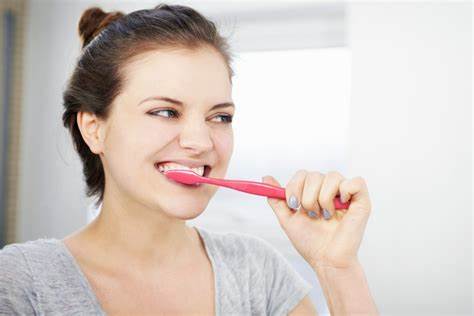
We all want to have a healthy and beautiful smile, but are we doing enough to protect our teeth and gums? According to some dentists, there are some common habits and practices that could be damaging our oral health and putting us at risk of tooth decay, gum disease, and other problems. Here are some of the worst dental mistakes you can make, and how to avoid them.
Brushing too hard or too often
Brushing your teeth is essential for removing plaque and bacteria, but doing it too hard or too often can actually harm your enamel and gums. Dr. Sean Kutlay, a dentist in Santa Clarita, California, told Fox News Digital that brushing too hard can cause abrasion and erosion of the enamel, leading to sensitivity and cavities. He also advised against brushing more than twice a day, as it can disrupt the natural balance of the oral microbiome.
To brush your teeth properly, use a soft-bristled toothbrush and gentle circular motions, and avoid scrubbing or sawing back and forth. You should also replace your toothbrush every three to four months, or when the bristles become frayed.
Using mouthwash or charcoal toothpaste
You might think that using mouthwash or charcoal toothpaste can give you extra freshness and whiteness, but these products could actually do more harm than good. Dr. Gerry Curatola, a dentist in New York City, says that mouthwash has no value in oral care, and can even destroy the beneficial bacteria in your mouth. He also warned that charcoal toothpaste can scratch your teeth and gums, and make them more prone to staining and infection.
Instead of using mouthwash or charcoal toothpaste, you should opt for natural or fluoride toothpaste that can protect your enamel and prevent cavities. You should also drink plenty of water to keep your mouth hydrated and rinse away food particles and acids.
Biting your nails, ice, or other hard objects
Biting your nails, ice, or other hard objects can be a sign of stress, boredom, or habit, but it can also damage your teeth and jaw. Dr. Wei Jian, a dentist in Kuala Lumpur, Malaysia, told the New York Post that biting your nails can cause your teeth to chip, crack, or wear down, and also transfer bacteria from your fingers to your mouth. Biting ice or other hard objects can have the same effect, and also increase the risk of tooth fracture or injury.
To stop biting your nails, ice, or other hard objects, you should try to identify the triggers and find alternative ways to cope, such as chewing sugar-free gum, using a stress ball, or applying nail polish. You should also seek professional help if you have anxiety or other mental health issues that contribute to your biting habit.
Skipping dental visits or opting for root canals
Many people dread going to the dentist, but avoiding regular check-ups and cleanings can lead to serious oral health problems that require more invasive and costly treatments. Dr. Kutlay said that neglecting oral hygiene can cause tooth decay, gum disease, and other oral health problems that can affect your overall health. He recommended visiting the dentist at least twice a year, or more often if you have specific dental needs or concerns.
Another mistake that some people make is opting for root canals instead of dental implants when they have a severely damaged or infected tooth. Dr. Curatola said that root canals are the only procedure that keeps dead tissue inside the body, and can cause inflammation and immune system dysregulatio. He suggested choosing dental implants instead, as they are more biocompatible and durable, and can prevent bone loss and infection.
Conclusion
Your teeth and gums are important for your appearance, confidence, and health, so you should take good care of them and avoid these common dental mistakes. By brushing gently and correctly, using natural or fluoride toothpaste, avoiding biting hard objects, and visiting the dentist regularly, you can keep your smile healthy and beautiful for life.

 Stay Healthy Weekly
Leave a comment