
By Charles Peters MD.
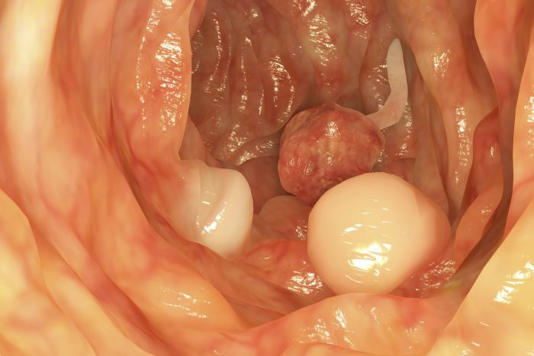
Colon polyps are small growths that form on the lining of the colon, or large intestine. They are usually harmless, but some of them can become cancerous over time. Therefore, it is important to detect and remove them early through regular screening tests, such as colonoscopy.
Most people with colon polyps do not have any symptoms. However, some people may experience one or more of the following signs:
- Rectal bleeding. This can be a sign of colon polyps or cancer or other conditions, such as hemorrhoids or minor tears of the anus. You may notice blood on your toilet paper or underwear, or in your stool, which can make it look red or black.
- Change in bowel habits. Constipation or diarrhea that lasts longer than a week may mean the presence of a large colon polyp or cancer. However, several other factors can also affect your bowel movements, such as diet, stress, or medication.
- Abdominal pain. A large colon polyp can block part of your bowel, leading to crampy abdominal pain. This is a rare symptom, but it can be serious and require immediate medical attention.
- Iron deficiency anemia. Bleeding from colon polyps can happen slowly over time, without visible blood in your stool. Chronic bleeding can lead to iron deficiency anemia, which can make you feel tired and short of breath.
- Change in stool color. Blood can show up as red streaks in your stool or make stool appear black. A change in color can also be caused by certain foods, medicines, or dietary supplements.
- Mucus in stool. Mucus is a normal substance that helps lubricate the digestive tract. However, excessive or abnormal mucus in stool can indicate inflammation or infection in the colon, which may be associated with polyps or cancer.
- Unexplained weight loss. Losing weight without trying can be a symptom of many conditions, including colon cancer. If you have colon polyps or cancer, you may lose weight because of reduced appetite, nausea, vomiting, or malabsorption of nutrients.
- Nausea and vomiting. These are uncommon symptoms of colon polyps, but they can occur if a large polyp causes a bowel obstruction or perforation. This is a medical emergency that requires urgent surgery.
If you have any of these symptoms, you should see your doctor as soon as possible. They may perform a physical exam, blood tests, stool tests, or imaging tests to diagnose the cause of your symptoms. They may also recommend a colonoscopy, which is the most accurate and effective way to detect and remove colon polyps.
The treatment of colon polyps depends on their size, number, type, and location. Most polyps can be removed during a colonoscopy, using techniques such as snare polypectomy, endoscopic mucosal resection, or endoscopic submucosal dissection. Some polyps may require surgery, especially if they are large, multiple, or associated with a genetic syndrome.
Colon polyps are common and usually harmless, but they can sometimes turn into cancer. Therefore, it is important to be aware of the possible symptoms and get screened regularly. By doing so, you can protect your colon health and prevent serious complications.
The best way to prevent colon polyps and cancer is to get regular screening tests, starting at age 45 or earlier if you have risk factors, such as a family history of colon cancer. You can also reduce your risk by adopting a healthy lifestyle, such as avoiding smoking, limiting alcohol intake, eating a high-fiber diet, and exercising regularly.



 Stay Healthy Weekly
Leave a comment