
Livia Dickson Chen–PhD in Nutrition · 11 years of exp
Blood pressure is the force of blood pushing against the walls of your arteries. It is measured in millimeters of mercury (mm Hg) and expressed as two numbers: systolic pressure (the top number) and diastolic pressure (the bottom number). Systolic pressure is the pressure when your heart beats and pumps blood, while diastolic pressure is the pressure when your heart rests between beats.
Normal blood pressure is below 120/80 mm Hg. High blood pressure, or hypertension, is when your blood pressure is consistently above 130/80 mm Hg. High blood pressure can damage your blood vessels and organs, and increase your risk of heart disease, stroke, kidney disease, and dementia.
Lifestyle factors, such as diet, exercise, stress, smoking, and alcohol, can affect your blood pressure. Eating a healthy diet that is low in salt and high in potassium, calcium, and magnesium can help lower your blood pressure and prevent or manage hypertension.
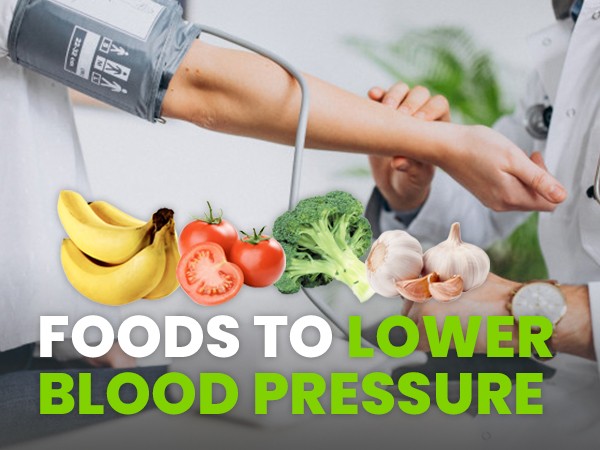
Here are 10 foods that can help lower your blood pressure:
- Citrus fruits. Citrus fruits, such as oranges, grapefruits, lemons, and limes, are rich in vitamin C, antioxidants, and flavonoids, which may help lower blood pressure by relaxing your blood vessels and improving blood flow. Citrus fruits also contain potassium, which helps balance the effects of sodium on blood pressure. However, grapefruit and grapefruit juice can interact with some blood pressure medications, so check with your doctor before consuming them if you are taking any medication.
- Fatty fish. Fatty fish, such as salmon, mackerel, sardines, and herring, are excellent sources of omega-3 fatty acids, which have anti-inflammatory and blood-thinning properties that can help lower blood pressure and reduce the risk of heart disease and stroke. Aim to eat at least two servings of fatty fish per week, preferably wild-caught or sustainably farmed.
- Leafy greens. Leafy greens, such as spinach, kale, Swiss chard, and collard greens, are packed with potassium, magnesium, and nitrate, which can help lower blood pressure by relaxing your blood vessels, improving blood flow, and reducing sodium retention. Leafy greens also provide fiber, antioxidants, and vitamin K, which support heart health and prevent blood clots.
- Nuts and seeds. Nuts and seeds, such as almonds, walnuts, pistachios, sunflower seeds, and pumpkin seeds, are rich in magnesium, which helps regulate blood pressure and prevent muscle spasms in your blood vessels. Nuts and seeds also contain healthy fats, protein, and fiber, which can lower cholesterol, improve blood sugar, and reduce inflammation. However, nuts and seeds are also high in calories, so limit your intake to a handful per day and choose unsalted varieties.
- Legumes. Legumes, such as beans, lentils, chickpeas, and soybeans, are high in protein, fiber, potassium, magnesium, and folate, which can help lower blood pressure and cholesterol, improve blood vessel function, and prevent plaque buildup in your arteries. Legumes also contain phytochemicals, such as isoflavones and anthocyanins, which have antioxidant and anti-inflammatory effects.
- Berries. Berries, such as blueberries, strawberries, raspberries, and blackberries, are loaded with antioxidants, such as anthocyanins, quercetin, and resveratrol, which can help lower blood pressure by protecting your blood vessels from oxidative stress and inflammation. Berries also contain fiber, vitamin C, and potassium, which support heart health and blood pressure regulation.
- Olive oil. Olive oil is a staple of the Mediterranean diet, which is associated with lower blood pressure and reduced risk of cardiovascular disease. Olive oil contains monounsaturated fats, which can lower LDL “bad” cholesterol and increase HDL “good” cholesterol, as well as polyphenols, which have anti-inflammatory and antioxidant properties that can improve blood vessel function and lower blood pressure. Choose extra virgin olive oil, which is the least processed and has the highest amount of beneficial compounds.
- Carrots. Carrots are a good source of beta-carotene, a precursor of vitamin A, which is essential for vision, immunity, and skin health. Carrots also contain potassium, which helps balance sodium levels and lower blood pressure. In addition, carrots contain phytochemicals, such as carotenoids and polyacetylenes, which have antioxidant and anti-inflammatory effects that can protect your blood vessels and lower blood pressure.
- Eggs. Eggs are a complete protein source, meaning they contain all nine essential amino acids that your body cannot make on its own. Eggs also provide choline, which is important for brain and liver health, and lutein and zeaxanthin, which are antioxidants that protect your eyes from age-related diseases. Eggs may also help lower blood pressure by increasing nitric oxide production, which relaxes your blood vessels and improves blood flow. However, eggs are also high in cholesterol, so limit your intake to one or two per day and choose organic or free-range eggs whenever possible.
- Tomatoes. Tomatoes are a juicy and delicious fruit that can help lower your blood pressure. Tomatoes contain lycopene, a powerful antioxidant that can reduce oxidative stress and inflammation, lower cholesterol, and improve blood vessel function. Tomatoes also provide potassium, vitamin C, and fiber, which support blood pressure regulation and heart health. You can enjoy tomatoes raw, cooked, or as tomato sauce, juice, or paste, but avoid canned or processed products that may contain added salt, sugar, or preservatives.
These are some of the foods that can help lower your blood pressure and improve your overall health. However, eating these foods alone is not enough to prevent or treat hypertension. You also need to limit your intake of salt, sugar, alcohol, and processed foods, and follow a balanced and varied diet that includes plenty of fruits, vegetables, whole grains, lean proteins, and healthy fats. Moreover, you should also exercise regularly, manage your stress, quit smoking, and consult your doctor about your blood pressure and medication needs .

 Stay Healthy Weekly
Leave a comment