
By Mayo Clinic
A fatty tumor, also known as a lipoma, is a benign growth of fat cells under the skin or in an organ. Fatty tumors are not cancerous and usually do not cause any serious health problems. However, they can sometimes be painful, grow large, or press on nerves or other structures. In rare cases, a fatty tumor can be a sign of a malignant tumor called liposarcoma. This article will describe the common and rare symptoms of a fatty tumor, as well as the possible complications and when to seek medical attention.
Common Symptoms
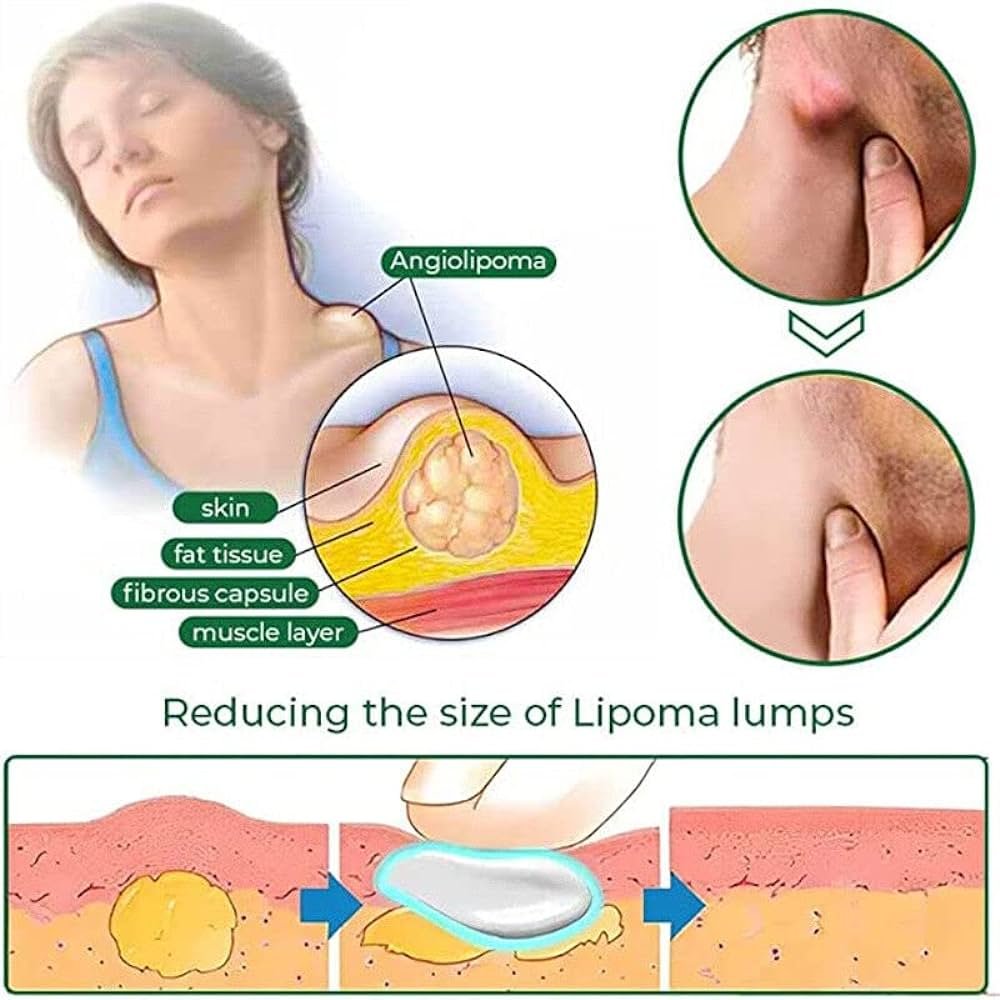
The most common symptom of a fatty tumor is a lump or bump under the skin. Fatty tumors can occur anywhere in the body, but they are more often found on the trunk, arms, neck, or shoulders. The lump may have the following characteristics:
- Soft and doughy to the touch
- Moves easily with slight finger pressure
- Generally small, less than 2 inches (5 centimeters) in diameter
- Painless or mildly tender
- Grows slowly over time
Some people may have more than one fatty tumor, which can run in families. Fatty tumors are more common in middle-aged and older adults, especially men.
Rare Symptoms
Some people may experience rare or unusual symptoms of a fatty tumor, depending on its location, size, and type. These symptoms may include:
- Deep location: Fatty tumors can sometimes grow in internal organs, such as the intestines, stomach, lungs, or heart. These tumors may not cause any symptoms until they become large or interfere with the function of the organ.
- Extreme pain: Fatty tumors are usually painless, but they can cause severe pain if they grow near a nerve or a sensitive area. There is also a rare condition called adiposis dolorosa, which is associated with multiple painful fatty tumors.
- Nerve compression: Fatty tumors can compress or damage nerves, causing symptoms such as numbness, tingling, weakness, or burning sensations in the affected area.
- Cancerous tumor: Fatty tumors are almost always benign, but there is a rare type of cancer called liposarcoma that can mimic a fatty tumor. Liposarcomas are aggressive tumors that grow rapidly and spread to other parts of the body. They can cause symptoms such as fever, chills, night sweats, fatigue, weight loss or gain, and swelling or redness of the skin over the tumor.
Complications
Fatty tumors are usually harmless and do not require any treatment. However, they can sometimes cause complications, such as:
- Cosmetic concerns: Some people may find fatty tumors unsightly or embarrassing, especially if they are large or visible.
- Infection: Fatty tumors can become infected if they are injured or irritated by friction, clothing, or jewelry. Infection can cause symptoms such as pus, warmth, redness, swelling, or fever.
- Ulceration: Fatty tumors can ulcerate or break open if they are exposed to trauma, pressure, or infection. Ulceration can cause bleeding, pain, and risk of infection.
- Hemorrhage: Fatty tumors can bleed internally or externally if they are damaged by trauma, surgery, or biopsy. Bleeding can cause symptoms such as bruising, anemia, shock, or death.
- Impairment: Fatty tumors can impair the function of nearby organs or structures if they grow large or press on them. For example, a fatty tumor in the lung can cause breathing difficulties, a fatty tumor in the heart can cause cardiac problems, and a fatty tumor in the brain can cause neurological problems.
When to See a Doctor
A fatty tumor is not a medical emergency, but it is advisable to see a doctor if you notice a lump or swelling anywhere on your body. A doctor can examine the lump and perform tests to confirm the diagnosis and rule out any serious conditions. Some of the tests that a doctor may order include:
- Physical examination: The doctor will ask about your medical history, family history, and symptoms, and will feel the lump for its size, shape, texture, and mobility.
- Biopsy: The doctor will take a small sample of tissue from the lump and send it to a laboratory for analysis. A biopsy can determine if the lump is benign or malignant, and what type of cells it is made of.
- Imaging tests: The doctor may order imaging tests, such as X-rays, ultrasound, CT scan, or MRI, to see the location, size, and extent of the lump. Imaging tests can also help to differentiate a fatty tumor from other types of tumors or cysts.
Treatment Options
Fatty tumors do not need any treatment if they are small, painless, and not causing any problems. However, some people may choose to have them removed for cosmetic or personal reasons, or if they are causing symptoms or complications. Some of the treatment options for fatty tumors include:
- Surgery: Surgery is the most common and effective way to remove a fatty tumor. The doctor will make a small incision in the skin and cut out the lump. The wound will be closed with stitches or glue. Surgery can leave a scar, but it can also prevent the tumor from growing back or becoming malignant.
- Liposuction: Liposuction is a minimally invasive procedure that uses a thin tube and a suction device to remove the fat cells from the lump. Liposuction can be done under local or general anesthesia, and it can leave a small puncture wound. Liposuction can reduce the size of the tumor, but it may not remove it completely or prevent it from recurring.
- Steroid injections: Steroid injections are a nonsurgical option that involves injecting a corticosteroid drug into the lump. Steroid injections can shrink the tumor and reduce inflammation and pain. However, they may not work for all types of fatty tumors, and they may have side effects such as skin discoloration, infection, or nerve damage.
Prevention
There is no known way to prevent fatty tumors, as their exact cause is not clear. However, some factors that may increase the risk of developing fatty tumors include:
- Genetics: Fatty tumors tend to run in families, so having a family history of lipomas may increase your chance of getting them.
- Age: Fatty tumors are more common in middle-aged and older adults, especially men.
- Obesity: Being overweight or obese may increase the amount of fat cells in the body, which may contribute to the formation of fatty tumors.
- Trauma: Injury or damage to the fat tissue may trigger the growth of fatty tumors.
- Certain conditions: Some medical conditions, such as Gardner syndrome, Madelung disease, Cowden syndrome, or adiposis dolorosa, are associated with an increased risk of fatty tumors.
To reduce the risk of fatty tumors, it may help to:
- Maintain a healthy weight and body mass index (BMI)
- Eat a balanced diet that is low in fat and high in fiber
- Exercise regularly and stay physically active
- Avoid smoking and excessive alcohol consumption
- Protect your skin from sun damage and injury
- See your doctor regularly for check-ups and screenings
Summary
A fatty tumor is a benign growth of fat cells under the skin or in an organ. It is not cancerous and usually does not cause any serious health problems. However, it can sometimes be painful, grow large, or press on nerves or other structures. In rare cases, a fatty tumor can be a sign of a malignant tumor called liposarcoma. The most common symptom of a fatty tumor is a lump or bump under the skin that is soft, movable, small, and painless. Other symptoms may vary depending on the location, size, and type of the tumor. Fatty tumors can cause complications such as infection, ulceration, hemorrhage, or impairment. Fatty tumors do not need any treatment if they are not causing any problems, but some people may choose to have them removed for cosmetic or personal reasons, or if they are causing symptoms or complications. Treatment options include surgery, liposuction, or steroid injections. There is no known way to prevent fatty tumors, but some factors that may increase the risk of developing them include genetics, age, obesity, trauma, or certain conditions. To reduce the risk of fatty tumors, it may help to maintain a healthy weight and lifestyle, eat a balanced diet, exercise regularly, avoid smoking and alcohol, protect your skin, and see your doctor regularly.


 Stay Healthy Weekly
Leave a comment