
Medically Reviewed by Michael Dansinger, MD Written by Terri D’Arrigo
Diabetes is a group of diseases that affect how the body uses blood sugar (glucose). Glucose is an important source of energy for the cells that make up the muscles and tissues. It’s also the brain’s main source of fuel. When the body does not produce enough insulin, or the cells do not respond properly to insulin, the blood sugar levels become too high. This can lead to serious health problems, such as heart disease, kidney failure, nerve damage, and vision loss.
There are different types of diabetes, each with its own causes and symptoms. The main types are type 1 diabetes, type 2 diabetes, and gestational diabetes. Type 1 diabetes is an autoimmune disease that causes the body to attack its own insulin-producing cells in the pancreas. Type 2 diabetes is a chronic condition that affects the way the body metabolizes sugar (glucose). Gestational diabetes is a temporary condition that occurs during pregnancy and affects both the mother and the baby.
The symptoms of diabetes depend on how high the blood sugar levels are. Some people, especially those with prediabetes, gestational diabetes, or type 2 diabetes, may not have any symptoms at all. Others may experience one or more of the following signs and symptoms:
- Feeling very thirsty
- Urinating often, especially at night
- Losing weight without trying
- Feeling very hungry
- Having blurry vision
- Having numb or tingling hands or feet
- Feeling very tired
- Having very dry skin
- Having sores that heal slowly
- Having more infections than usual
Some people with type 1 diabetes may also have nausea, vomiting, or stomach pains. Type 1 diabetes can develop quickly and be severe. It usually starts during childhood or adolescence, but it can occur at any age. Type 2 diabetes usually develops gradually over many years. It is more common in people older than 40, but it can also affect younger people, especially those who are overweight, inactive, or have a family history of diabetes. Gestational diabetes usually does not have any symptoms, but it can affect the health of the mother and the baby. It usually goes away after the baby is born, but it can increase the risk of developing type 2 diabetes later in life.
If you notice any of the symptoms of diabetes, you should see your doctor as soon as possible. The earlier the condition is diagnosed, the sooner treatment can begin. Treatment for diabetes may include medication, insulin injections, diet, exercise, and monitoring of blood sugar levels. The goal of treatment is to keep the blood sugar levels within a normal range and prevent or delay the complications of diabetes.
Diabetes is a serious and lifelong condition, but it can be managed with proper care and lifestyle changes. By following your doctor’s advice, taking your medication, eating healthy, staying active, and checking your blood sugar regularly, you can live a long and healthy life with diabetes.
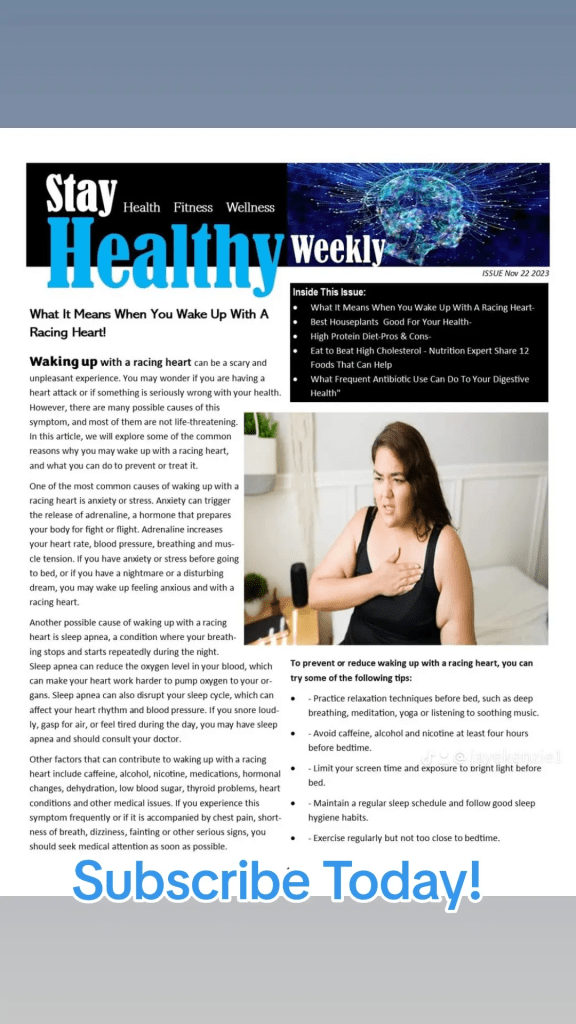


 Stay Healthy Weekly
Leave a comment