
Story by Dr. Karthikeya T M, MD Internal Medicine •
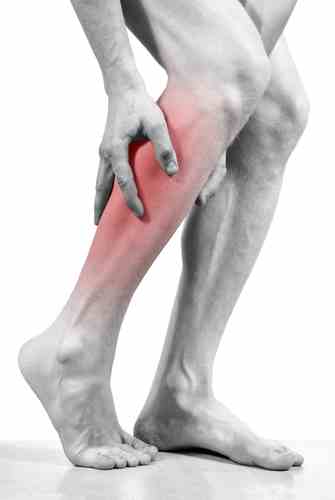
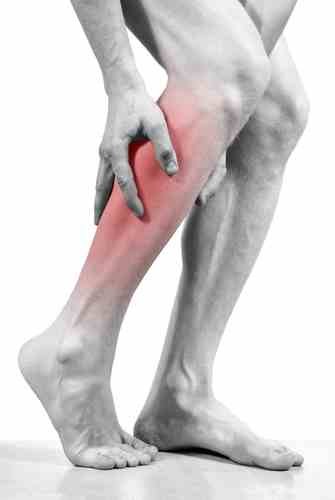
Claudication in the legs is a condition that causes pain, cramping, or discomfort in the lower limbs due to inadequate blood flow. It is usually a symptom of peripheral artery disease (PAD), which is a narrowing of the arteries in the legs caused by a buildup of fatty deposits (plaques). PAD can increase the risk of heart attack and stroke.
Claudication in the legs typically occurs when walking or exercising, and it is relieved by rest. The pain may vary from mild to severe, and it may affect different parts of the leg, such as the calves, thighs, buttocks, or feet. Other signs or symptoms of claudication in the legs may include:
- Discolored skin
- Ulcers or wounds that do not heal
- Weakness or numbness
- Cool skin temperature
The diagnosis of claudication in the legs involves a physical examination and some tests, such as:
- Ankle-brachial index (ABI): This test measures the blood pressure in the ankles and compares it with the blood pressure in the arms. A low ABI indicates poor blood flow in the legs.
- Segmental blood pressure: This test measures the blood pressure in different segments of the leg to locate the site of blockage.
- Ultrasound: This test uses sound waves to create images of the blood vessels and show the location and severity of the narrowing.
The treatment of claudication in the legs depends on the severity and underlying cause of the condition. The main goals of treatment are to improve blood flow, reduce pain, increase mobility, and prevent complications. The treatment options may include:
- Lifestyle changes: These include quitting smoking, eating a healthy diet, managing cholesterol and blood pressure levels, losing weight, and exercising regularly.
- Medications: These include antiplatelet agents (such as clopidogrel or dipyridamole) to prevent blood clots, hemorrheologic agents (such as pentoxifylline) to decrease blood viscosity, statins (such as atorvastatin or fluvastatin) to lower cholesterol, and vasodilators (such as cilostazol) to improve blood flow and reduce muscle pain or cramps.
- Procedures: These include angioplasty (a procedure that widens the blocked artery using a balloon), stenting (a procedure that places a thin metal mesh in the artery to keep it open), or revascularization (a surgery that uses a healthy blood vessel from another part of the body to bypass the blocked artery).
Claudication in the legs can be prevented by adopting a healthy lifestyle and avoiding or controlling the risk factors for PAD, such as smoking, diabetes, high cholesterol, high blood pressure, obesity, age, and kidney disease.


 Stay Healthy Weekly
Leave a comment