
Content by R. Davis-Nutritionist-
We hear a lot about antioxidants and how good they are for our health, but what are they, really? Many of us have a somewhat clear idea of what macronutrients (protein, fat, carbs) and micronutrients (vitamins and minerals) are, but when it comes to antioxidants and free radicals, things can get a bit cloudy.
Our bodies produce antioxidants:
We tend to associate antioxidants with foods, but an antioxidant is, in fact, a chemical property and not a nutritional property. Essentially, the molecular structure of an antioxidant is different from that of a vitamin, mineral, or macronutrient (e.g. protein), and our bodies produce them naturally to protect cells from damage.
They fight free radicals:
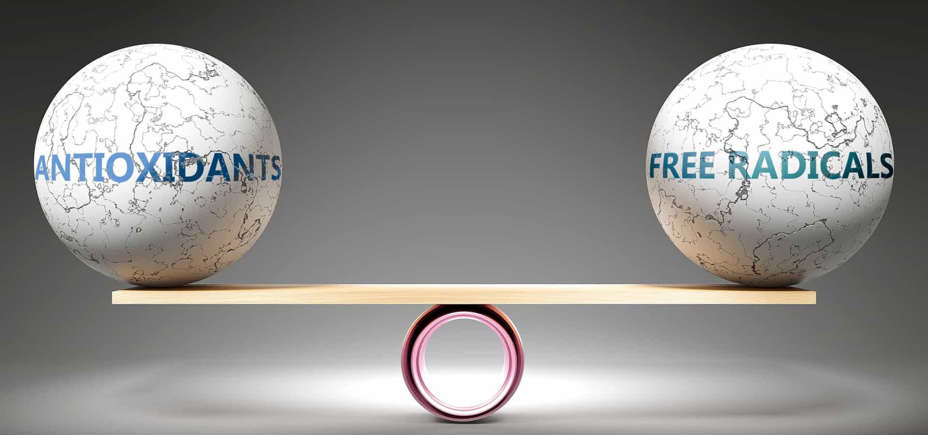
Free radicals are essentially unstable molecules that can damage cells and DNA. Antioxidants counteract the actions of free radicals. Our bodies also produce free radicals, and they can be useful to destroy our own damaged cells when there are viruses and bacteria we need to eliminate from our bodies. Too many of them are not good though, as they can end up attacking good cells. This is when antioxidants get into action.
Antioxidant vs. free radicals balance:
Free radicals ‘steal’ electrons from antioxidants, so having the right balance of both in our bodies is important. This usually means that consuming extra antioxidants via food can help us fight off the free radicals we’re exposed to, such as pollution.
Immunity:
We get how antioxidants work now, but what does that mean for our health, really? Well, they essentially allow our immune system to function properly. The free radicals that our bodies produce to fight off illnesses would cause havoc in our bodies without antioxidants to keep them in check. Free radicals get electrons from harmful molecules, but after they’ve done so, antioxidants must be present so that free radicals can ‘steal’ the electrons from them, instead of getting them from healthy cells (from DNA, for example).
What happens if you have too many free radicals?
Too many free radicals and too few antioxidants put us at risk of getting into a state called oxidative stress.
Oxidative stress
We all get into short periods of oxidative stress. This can happen when we drink alcohol or exercise, for instance. Chronically being in this state, however, can be detrimental, having been linked to DNA damage and cancer.
Food sources of antioxidants:
Fruits and vegetables are the main sources of antioxidants in our diets. Consuming these daily has been shown to decrease the likelihood of developing heart disease, type 2 diabetes, and cancer, to name a few.
Unknowns:
While we know antioxidants fight free radicals, the mechanism by which fruits and vegetables actually make us healthier is not fully understood. The antioxidants might play a role, but that’s just one part of the (still unknown) equation. Either way, it’s still a good idea to include them in your diet.
Green tea:
Green tea is one of the most antioxidant-rich beverages you can drink. It’s rich in polyphenols, which have been shown to help protect against cancer.
Cocoa:
Cocoa (both in powder form and as part of chocolate) is also rich in polyphenols. It also contains flavonoids and methylxanthine compounds, both of which contain great antioxidant properties.
Beta-carotene
You’ve probably heard about beta-carotene, a pigment that gives vegetables a yellow, orange, and red color (e.g. carrots).
Carotenoids are then converted to vitamin A in the body, which is an antioxidant that plays a key role in immunity and vision and might reduce the risk of developing certain diseases.
In addition to carrots, you can also get it from apricots, sweet potatoes, and winter squash, to name a few.
Vitamin C::
When antioxidants are mentioned, vitamin C usually comes to mind—and for a good reason. Our bodies cannot produce this powerful antioxidant, but we sure can get it from foods such as oranges and other citrus fruits, as well as kiwi, bell peppers, and broccoli, among others.
Diets rich in vitamin C have been associated with a lower risk of a number of conditions, including stroke, heart disease, and cancer.
Vitamin E:
Talking about powerful antioxidants, vitamin E also deserves a place on the podium. Being a fat-soluble vitamin, you will need to consume fat to absorb it from foods.
Nuts, spinach, seeds, and broccoli are a few of the foods that contain vitamin E. Similar to other antioxidants, vitamin E also plays a crucial role when it comes to warding off diseases.
Flavonoids:
This group of antioxidant compounds is also quite powerful. You’re probably familiar with flavanols in particular, which are found in grapes and red wine.
There are also flavan-3-ols, which are found in tea, cocoa, apples, berries, and grapes.
But there’s more! We also have flavones, which you can find in parsley, celery, peppermint, and chamomile.
Other flavonoids include flavanones, which are mostly present in citrus fruits; isoflavones, which can be found in soybeans; and last, but not least, anthocyanins, which like flavanols are also abundant in berries, grapes, and wine.
Coffee:
It’s safe to say that the most-consumed antioxidant drink around the world is coffee. It turns out that coffee gives tea, fruits, and vegetables a run for their money when it comes to antioxidant properties.
Coffee is particularly rich in a polyphenol called chlorogenic acid, which is a potent antioxidant. And this is just one of the many other benefits of coffee.
Supplements:
Getting antioxidants from our diets is more effective than getting them from supplements. In fact, the latter can even be detrimental in some cases. High doses of vitamin E, for instance, have been linked to an increase in mortality, according to a meta-analysis.
Cancer:
While foods rich in antioxidants have been linked to a decrease in certain cancer risks, there is no hard evidence that indeed the antioxidants are responsible for this.
Bottom line:
Antioxidant-rich foods have been shown to decrease the risk of other conditions, including heart disease. So the bottom line is: ditch the supplements and eat a balanced diet, including plenty of fruits and vegetables.
Sources: (Health Digest) (National Center for Complementary and Integrative Health) (Harvard Health Publishing) (Healthline) (The List) (Annals of Internal Medicine) (Insider)

 Stay Healthy Weekly
Leave a comment