
By Amy Seigle M.D.
Stomach gas is a common condition that affects everyone. It is a normal part of the digestive process, and most people pass gas up to 20 times a day. Gas can be mild and intermittent, or severe and painful. Although symptoms can develop after eating or drinking, not all gas is food-related. Sometimes gas is a symptom of a more severe problem.
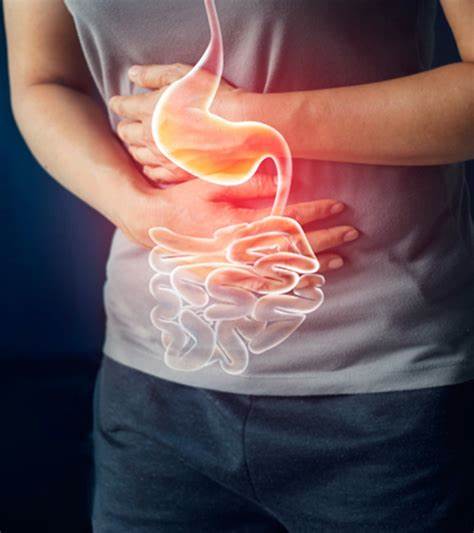
Gas can develop in your stomach or your intestinal tract. Gas in the stomach often results from swallowing too much air while eating or drinking. This can also happen if you drink sodas or carbonated drinks, suck on hard candy, chew gum, or smoke. In addition, loose-fitting dentures can cause you to swallow more air than average. In such a scenario, belching or burping is how your body expels stomach gas. If burping doesn’t release gas, the air travels to your intestines, where it’s removed from the anus as flatulence.
Gas in the large intestines develops when normal bacteria break down certain types of undigested food. Some foods are more easily digested than others. Certain carbohydrates, such as sugar, fiber, and some starches, aren’t digested in the small intestines. Instead, these foods travel to the large intestines where they’re broken down by normal bacteria. This natural process produces hydrogen, carbon dioxide, and sometimes methane gas, which is released from the rectum.
Even if you can’t eliminate gas completely, you can take steps to reduce the amount of gas your body produces. Prevention includes making dietary changes such as keeping a food journal to identify foods that trigger gas and eliminating certain foods from your diet one by one to see if gas improves. You can also prevent gas by swallowing less air drinking fewer sodas and other carbonated beverages and slowing down when eating and drinking.
In conclusion, stomach gas is a common condition that can be caused by various factors including swallowing too much air while eating or drinking and the breakdown of certain types of undigested food by bacteria in the large intestines. Prevention includes making dietary changes and reducing the amount of air swallowed while eating or drinking.


 Stay Healthy Weekly
Leave a comment