
By Jeffery Williams M.D
When it comes to diet, fats often get a bad reputation. However, not all fats are created equal. Some fats are better for you than others and may even help to promote good health. Knowing the difference can help you determine which fats to avoid and which to eat in moderation.
There are four main types of fats: saturated fat, trans fat, monounsaturated fat, and polyunsaturated fat. Saturated fat and trans fat are considered “bad” fats because they may have negative health effects, especially when consumed in excess. On the other hand, monounsaturated fat and polyunsaturated fat are considered “good” fats because they may have health benefits.
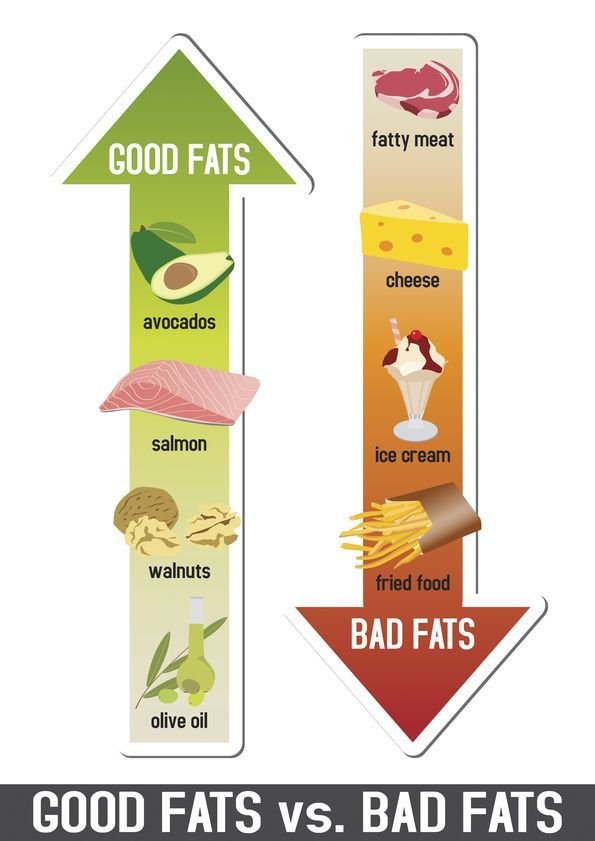
Saturated fat is found in high-fat meats and dairy products, such as fatty cuts of beef, pork, and lamb, dark chicken meat and poultry skin, whole milk, butter, cheese, sour cream, ice cream, coconut oil, palm oil, cocoa butter, and lard. Eating too much saturated fat can increase blood cholesterol levels and LDL (bad) cholesterol levels. While the risk reduction is low, replacing saturated fat in your diet with polyunsaturated fats can reduce your heart disease risk.
Trans fat is a byproduct of a process called hydrogenation that is used to turn healthy oils into solids and to prevent them from becoming rancid. Trans fats have no known health benefits, and there is no safe level of consumption. They have been officially banned in the United States². Eating foods rich in trans fats increases the amount of harmful LDL cholesterol in the bloodstream and reduces the amount of beneficial HDL cholesterol. Trans fats create inflammation, which is linked to heart disease, stroke, diabetes, and other chronic conditions. They contribute to insulin resistance, which increases the risk of developing type 2 diabetes.
Monounsaturated fat is found in a variety of foods and oils such as olive oil, canola oil, peanut oil, safflower oil, sesame oil, avocados, peanut butter, and many nuts and seeds. Polyunsaturated fat is found in plant-based foods and oils such as soybean oil, corn oil, sunflower oil, fatty fish such as salmon, mackerel, herring and trout as well as flaxseed and walnuts. These types of fats can help reduce bad cholesterol levels in your blood which can lower your risk of heart disease and stroke.
In conclusion, it’s important to understand the difference between good fats and bad fats so that you can make informed decisions about what you eat. Avoid trans fats completely and limit your intake of saturated fats while incorporating more monounsaturated and polyunsaturated fats into your diet for better health.
Source: Conversation – Good Fats vs. Bad Fats: Everything You Need to Know – Healthline. https://www.healthline.com/health/heart-disease/good-fats-vs-bad-fats.
(2) The truth about fats: the good, the bad, and the in-between. https://www.health.harvard.edu/staying-healthy/the-truth-about-fats-bad-and-good.
(3) Good Fats, Bad Fats :: Diabetes Education Online. https://dtc.ucsf.edu/living-with-diabetes/diet-and-nutrition/understanding-fats-oils/good-fats-bad-fats/.
(4) Good Fat versus Bad Fat – Dr. Mindy Pelz. https://drmindypelz.com/good-fat-versus-bad-fat/.


 Stay Healthy Weekly
Leave a comment