
Dr. Dency ChackoDoctor of Medicine (MBBS) · 9 years of exp
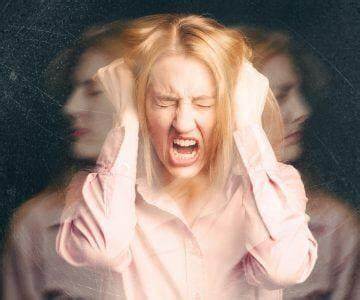
A panic attack is a sudden episode of intense fear that triggers severe physical reactions when there is no real danger or apparent cause. Panic attacks can be very frightening. When panic attacks occur, you might think you’re losing control, having a heart attack or even dying. Panic attacks typically include some of these signs or symptoms: Sense of impending doom or danger, Fear of loss of control or death, Rapid, pounding heart rate, Sweating, Trembling or shaking, Shortness of breath or tightness in your throat, Chills, Hot flashes, Nausea, Abdominal cramping, Chest pain, Headache, Dizziness, lightheadedness or faintness and Numbness or tingling sensation.
If you’re having a panic attack, you can manage your symptoms at the moment with strategies like deep breathing, mindfulness exercises, muscle relaxation, and more. Working with a therapist may help prevent future panic attacks. Some other ways to stop a panic attack include seeking counseling such as Cognitive-behavioral therapy (CBT) and taking medications such as benzodiazepines and anti-depressants for short-term use during a crisis and long-term use respectively. You can also try smelling some lavender as it is known for bringing about a sense of calm relaxation. It is important to seek medical attention immediately if you or someone you know is exhibiting symptoms of a Panic attack.
In conclusion, panic attacks can be very frightening and overwhelming experiences. However, there are many effective ways to manage the symptoms and prevent future attacks. If you are experiencing panic attacks, it is important to seek help from a mental health professional to develop an effective treatment plan. Remember that you are not alone and that help is available.

 Stay Healthy Weekly
Leave a comment