
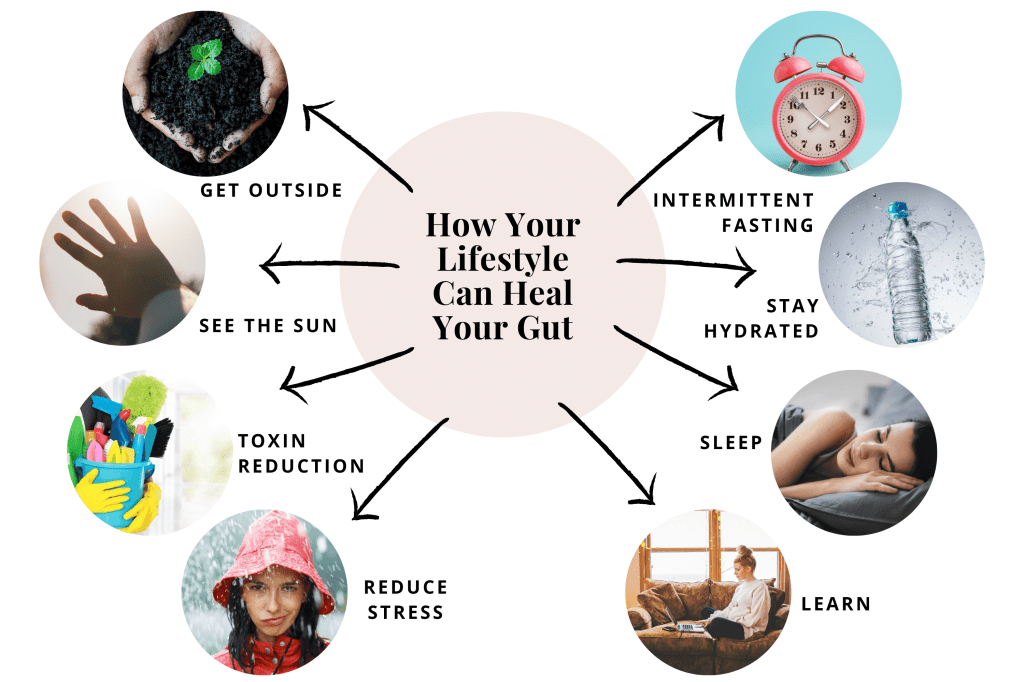
By Mayo Clinic Health Systems
Your gut is home to trillions of microorganisms, mostly bacteria, that play a vital role in your health. They help digest your food, produce certain vitamins, regulate your immune system, and keep your intestines healthy. They also affect your mood, weight, blood sugar levels, and even your brain function.
However, not all gut bacteria are good for you. Some bacteria in your gut can cause inflammation, infection, or other problems. When the balance of good and bad bacteria in your gut is disrupted, you may experience symptoms such as bloating, gas, diarrhea, constipation, or abdominal pain. This is called dysbiosis.
Dysbiosis can also affect your brain and mental health. Some studies have shown that people with dysbiosis have more anxiety, depression, autism spectrum disorder, or cognitive impairment than people with a healthy gut microbiome. This is because the gut and the brain are connected by a network of nerves and chemicals called the gut-brain axis. The gut bacteria can produce neurotransmitters such as serotonin and dopamine that influence your mood and behavior. They can also trigger inflammation and immune responses that can affect your brain function.
So how can you tell if you have bad bacteria building in your gut? And what can you do to fix it?
There is no definitive test to diagnose dysbiosis, but some signs that may indicate a problem are:
- Frequent digestive issues such as bloating, gas, diarrhea, constipation, or abdominal pain.
- Food intolerances or allergies.
- Skin problems such as acne, eczema, or rosacea.
- Mood swings, anxiety, depression, or brain fog.
- Frequent infections or autoimmune diseases.
- Unexplained weight gain or loss.
If you have any of these symptoms, you may want to consult your doctor or a nutritionist to rule out any underlying medical conditions and get advice on how to improve your gut health.
One of the most effective ways to improve your gut microbiome is through your diet. What you eat can have a huge impact on the type and amount of bacteria in your gut. Here are some tips to follow:
- Eat a diverse range of foods. A varied diet can provide different nutrients for different bacteria to thrive. Try to include foods from different food groups such as fruits, vegetables, whole grains, legumes, nuts, seeds, lean proteins, and healthy fats.
- Eat more fiber. Fiber is the main food source for many beneficial bacteria in your gut. It can also help prevent constipation and lower cholesterol levels. Aim for at least 25 grams of fiber per day from foods such as fruits, vegetables, oats, barley, beans, lentils, flax seeds, and nuts.
- Eat more fermented foods. Fermented foods contain live bacteria that can boost your gut microbiome and improve your digestion. Some examples are yogurt with live cultures (not sweetened), kefir (a fermented milk drink), sauerkraut (fermented cabbage), kimchi (spicy fermented cabbage), kombucha (a fermented tea drink), miso (a fermented soybean paste), tempeh (a fermented soybean product), and sourdough bread.
- Avoid or limit foods that can harm your gut bacteria. These include processed foods that are high in sugar, fat, salt, additives, and preservatives; artificial sweeteners that can disrupt the balance of bacteria in your gut; alcohol that can damage the lining of your intestines and reduce the diversity of bacteria in your gut; and antibiotics that can kill both good and bad bacteria in your gut (only take them when prescribed by your doctor and for the duration recommended).
- Take probiotics or prebiotics supplements if needed. Probiotics are live bacteria that can replenish your gut microbiome and improve your health. Prebiotics are substances that feed the good bacteria in your gut and stimulate their growth. You can find probiotics and prebiotics supplements in capsules, powders, or liquids at health food stores or online. However, before taking any supplements, consult your doctor or a nutritionist to make sure they are safe and suitable for you.
By following these dietary tips, you can improve your gut microbiome and enjoy better health and well-being. Remember that it may take some time to see the results of changing your diet on your gut health, so be patient and consistent. And don’t forget to drink plenty of water to stay hydrated and flush out toxins from your body.
I hope you found this article helpful and informative. If you have any questions or comments about it, please let us know. Thank you for reading! 😊

 Stay Healthy Weekly
Leave a comment