
By Thomas Martin-Dermotolgest
Summer is a time for fun and adventure, but it can also bring some unwanted skin problems for kids. Many children experience rashes during the warmer months, which can be caused by various factors such as heat, sweat, sun exposure, plants, insects, and infections. Some rashes are mild and harmless, while others may require medical attention. In this article, we will explore six common summertime rashes in kids: heat rash, poisonous plant rashes, swimmer’s itch, impetigo, hand, foot and mouth disease, and ringworm. We will also provide some tips on how to prevent, identify, and soothe these rashes.
*Heat Rash
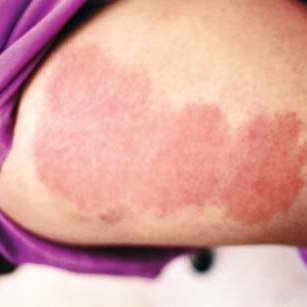
Heat rash, also known as prickly heat or miliaria, is a red, bumpy and itchy rash that often appears in places where sweat collects, such as the armpits, back, chest, behind knees and inside the creases of the elbows. It occurs when sweat gland pores become blocked and perspiration can’t escape.
Heat rash is more common in babies and young children who have immature sweat glands¹. To prevent heat rash, keep your child cool and dry by dressing them in loose-fitting clothing made of breathable fabrics. Avoid using heavy creams or ointments that can clog the pores. If possible, use fans and air conditioning to avoid overheating.
To treat heat rash, wash the affected areas with cool water and pat them dry. Leave them open to air without clothing. Do not apply skin ointments or calamine lotion, as they can worsen the rash¹. If the rash persists or becomes infected, consult your pediatrician.
*Poisonous Plant Rashes
A rash caused by poison ivy, oak, and sumac are amongst the most common summer skin rashes. These plants contain a sticky oil called urushiol that causes an allergic skin reaction when it comes into contact with the skin.
The reaction can occur within hours or days after exposure. The rash looks like redness, swelling, and blisters that are extremely itchy. The rash usually appears on areas of the body that are not covered by clothing.
To prevent poisonous plant rashes, teach your child what these plants look like and how to avoid them. Both poison ivy and poison oak have shiny green leaves that grow three to a stem, so you might share the rhyme: “Leaves of three, let them be.”
The sumac shrub has stems that contain 7-13 leaves arranged in pairs¹. If you have younger children, inspect the parks they play in and have rash-causing plants removed. To treat poisonous plant rashes, wash all of your child’s clothes and shoes in soap and water. Also, wash the area of the skin that was exposed with soap and water for at least 10 minutes after touching the plant or the oil¹. To relieve itching, apply calamine lotion or 1% hydrocortisone cream.
Do not scratch or pop the blisters, as this can lead to infection. If the rash is severe or spreads to the face or genitals, seek medical help.
*Swimmer’s Itch
Swimmer’s itch is a skin rash caused by an allergic reaction to microscopic parasites that burrow into your skin while you’re swimming or wading in warm water. The parasites are released by snails that live in freshwater lakes or ponds. The rash looks like small red or pink spots or bumps that may form blisters.
The rash is usually found on parts of the body that were directly exposed to the water¹. To prevent swimmer’s itch, avoid swimming in areas where snails are abundant or where swimmer’s itch has been reported. Rinse off with fresh water after swimming and dry off with a towel. Do not share towels or swimsuits with others who may have swimmer’s itch.
To treat swimmer’s itch, apply cool compresses or baking soda paste to the affected areas. You can also use anti-itch creams or oral antihistamines to reduce itching and inflammation¹. The rash usually goes away on its own within a week, but if it is severe or infected, see your doctor.
*Impetigo*
Impetigo is a bacterial skin infection that causes red sores on the face, especially around a child’s nose and mouth. The sores can burst and form yellow or brown crusts.
Impetigo is contagious and can spread to other parts of the body or to other people through direct contact or sharing personal items. Impetigo is more common in children who have cuts, scrapes, insect bites, eczema, or other skin conditions that allow bacteria to enter the skin.
To prevent impetigo, keep your child’s skin clean and dry. Wash any wounds with soap and water and cover them with a bandage. Do not let your child scratch or pick at the sores. Discourage your child from sharing towels, toys, clothing, or bedding with others who may have impetigo.
To treat impetigo, your doctor may prescribe an antibiotic cream or oral medication to kill the bacteria. Apply the cream as directed and wash your hands before and after touching the sores. Change the bandages daily and wash the affected areas with soap and water.
The infection usually clears up within a week or two, but if it does not improve or worsens, contact your doctor.
*Hand, Foot and Mouth Disease*
Hand-foot-and-mouth disease is a viral infection that causes a rash on the hands and feet and sores in the mouth. The rash looks like small red spots or blisters that may be painful or itchy. The sores in the mouth are usually red and may have white spots.
Hand-foot-and-mouth disease is contagious and can spread through saliva, nasal secretions, feces, or contact with blister fluid. Hand-foot-and-mouth disease is more common in children under 5 years old who attend daycare or preschool.
To prevent hand-foot-and-mouth disease, wash your hands frequently with soap and water, especially after changing diapers or using the bathroom. Avoid touching your eyes, nose, or mouth with unwashed hands. Do not share cups, utensils, or food with others who may have hand-foot-and-mouth disease.
To treat hand-foot-and-mouth disease, there is no specific medication to cure the infection. However, you can ease your child’s symptoms by giving them plenty of fluids to prevent dehydration. Avoid giving them acidic or spicy foods that may irritate the mouth sores.
You can also use over-the-counter pain relievers or mouthwashes to reduce discomfort. The illness usually lasts for 7 to 10 days, but if your child has a high fever, severe headache, stiff neck, or trouble breathing, seek medical attention.
*Ringworm*
Ringworm is a fungal infection that causes a ring-shaped rash on the skin¹. The rash looks like a red circle with a clear center that may be scaly, crusty, or blistered. The rash can appear anywhere on the body, but it is more common on the scalp, feet (athlete’s foot), groin (jock itch), or nails.
Ringworm is contagious and can spread through direct contact with an infected person or animal, or through sharing personal items such as towels, clothing, brushes, or combs. Ringworm is more common in children who have contact with pets or who participate in sports that involve skin-to-skin contact.
To prevent ringworm, keep your child’s skin clean and dry. Avoid sharing personal items with others who may have ringworm. Wash your hands after touching animals or soil that may be contaminated with fungi. If your child has ringworm on the scalp, do not let them share hats, helmets, or hair accessories with others.
To treat ringworm, your doctor may prescribe an antifungal cream or oral medication to kill the fungi. Apply the cream as directed and wash your hands before and after touching the rash.



 Stay Healthy Weekly
Leave a comment