
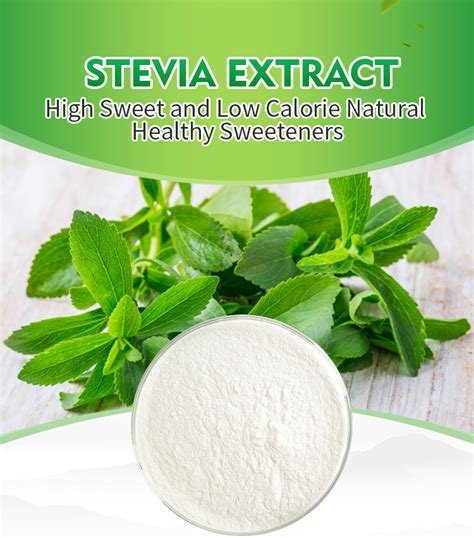
Stevia is a natural sweetener that has become increasingly popular in recent years. It is derived from the leaves of the Stevia rebaudiana plant and has been used for centuries in South America. Stevia is a zero-calorie sweetener that is 200 to 400 times sweeter than table sugar, so a little goes a long way1.
Stevia has several benefits, including:
- No calories: Stevia has no calories, making it an excellent alternative to sugar for people who are trying to lose weight or maintain a healthy weight2.
- No effect on blood sugar: Stevia does not raise blood sugar levels, making it a good option for people with diabetes3.
- Safe for consumption: The Food and Drug Administration (FDA) considers stevia leaf extract safe for consumption, and it is unlikely to cause side effects in most people4.
- Positive influence on food intake, blood sugar and insulin: Stevia shows a positive influence on food intake, blood sugar and insulin2.
However, there are also some cons to consider:
- Not recommended for pregnant or nursing women: Similar to other artificial sweeteners, stevia is yet to be recommended for use by pregnant and nursing women2.
- May cause side effects: There are a few not so fun side effects that have been reported with stevia use, such as dizziness, muscle pains, numbness, nausea, gas and bloating256.
- May cause inflammation in the kidney and liver: Too much Stevia may cause inflammation in the kidney and liver5.
- May cause gastrointestinal symptoms: Some people have reported negative side effects such as nausea and bloating6.
In conclusion, stevia is a natural sweetener that has several benefits over sugar. It has no calories, does not raise blood sugar levels, and is safe for consumption. However, it may cause some side effects such as dizziness, muscle pains, numbness, nausea, gas and bloating. If you are considering using stevia as a sugar substitute, it is important to consult your doctor first.
By Medical News Today


 Stay Healthy Weekly
Leave a comment