
By Lenard Moss M.D. Heart.org
Salt is a common ingredient that adds flavor and preserves food. It is also a source of sodium, a mineral that is essential for many bodily functions. However, eating too much salt can have negative consequences for your health, both in the short term and the long term.

Short-term effects of eating too much salt:

Eating too much salt at once, either in a single meal or over a day, can cause a few short-term effects, such as:

- **Water retention**: Your kidneys try to maintain a balance between sodium and water in your body. When you eat too much salt, they hold on to extra water to dilute the excess sodium. This can cause bloating, swelling, weight gain and increased blood volume.

- **Rise in blood pressure**: The increased blood volume puts more pressure on your blood vessels and arteries, which can raise your blood pressure temporarily. High blood pressure can damage your blood vessels and increase your risk of heart disease and stroke.

- **Intense thirst**: Eating too much salt can also make you feel very thirsty, as your body tries to restore the sodium-to-water ratio. Drinking more fluids can help flush out some of the excess sodium, but it can also make you urinate more than usual.

- **Hypernatremia**: In rare cases, eating too much salt can cause your blood sodium levels to rise above a safe level, resulting in a condition called hypernatremia. This can cause water to move out of your cells and into your blood, which can lead to dehydration, confusion, seizures, coma and even death if untreated.

 Long-term effects of eating too much salt

Eating too much salt on a regular basis can have more serious and chronic effects on your health, such as:

- **High blood pressure**: Eating too much salt over time can make your blood pressure stay elevated, which can damage your blood vessels and organs. High blood pressure is a major risk factor for heart disease, stroke, heart failure and kidney disease.

- **Kidney disease**: Your kidneys are responsible for filtering out excess sodium and fluid from your blood. Eating too much salt can overload your kidneys and impair their function, which can lead to fluid buildup, kidney stones, kidney damage and kidney failure.

- **Osteoporosis**: Sodium can also affect your bone health by increasing the amount of calcium that is excreted in your urine. This can reduce the amount of calcium that is available for your bones, which can weaken them and increase your risk of fractures and osteoporosis.

- **Stomach cancer**: Some studies have suggested that eating too much salt may increase the risk of stomach cancer by damaging the lining of the stomach and promoting the growth of bacteria that cause inflammation and ulcers.

How much salt should you eat per day?

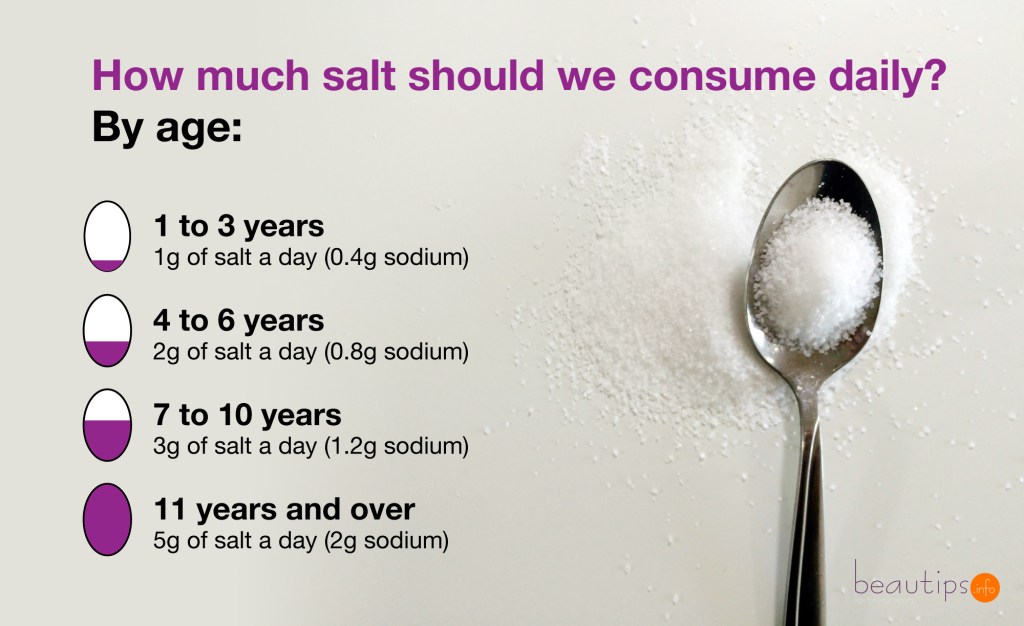
The amount of salt you need depends on your age, health condition and activity level. However, most health organizations recommend that adults limit their sodium intake to less than 2,300 milligrams (mg) per day, which is equivalent to about one teaspoon of table salt. Some people may benefit from lowering their sodium intake even further to less than 1,500 mg per day, especially those who have high blood pressure, diabetes or kidney disease.

To reduce your salt intake, you can try the following tips:

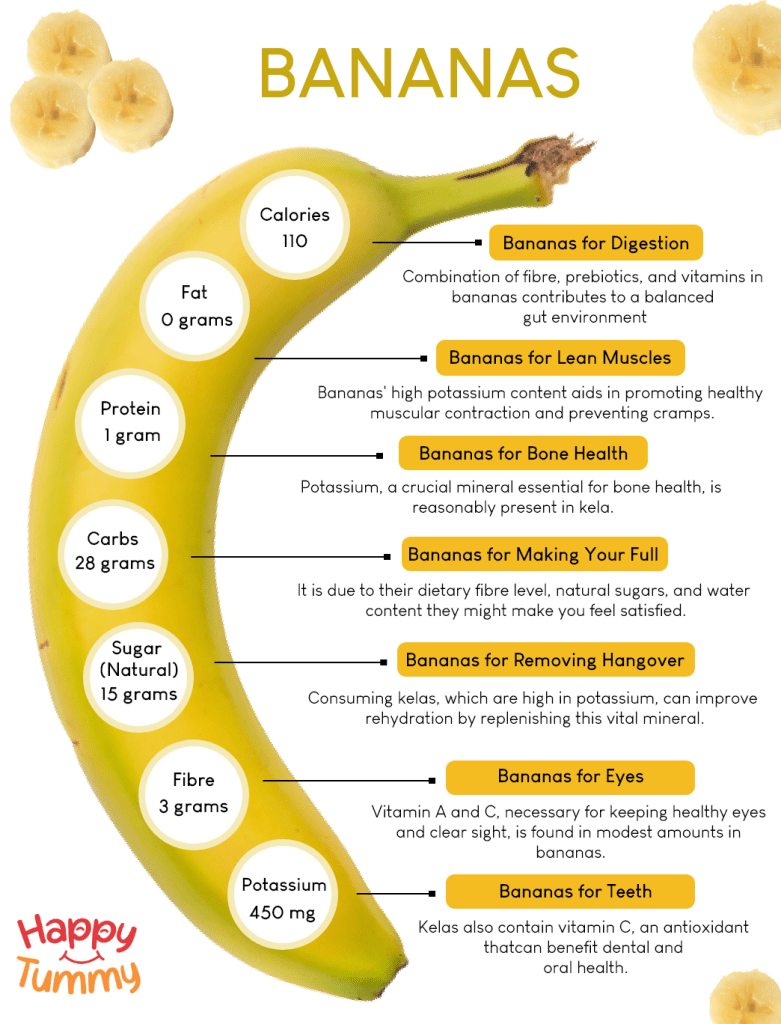
- Eat more fresh fruits and vegetables, which are naturally low in sodium and high in potassium, which can help lower your blood pressure.

- Choose low-sodium or sodium-free products when shopping for packaged or processed foods. Read the nutrition labels and compare different brands to find the ones with the least amount of sodium per serving.

- Avoid adding salt to your food at the table or during cooking. Instead, use herbs, spices, vinegar, lemon juice or other natural flavorings to enhance the taste of your food.

- Limit your consumption of salty snacks, sauces, condiments and fast foods, which are often loaded with sodium. If you eat out at a restaurant, ask for your food to be prepared with less or no salt and avoid adding extra salt or soy sauce.

- Drink plenty of water to help flush out some of the excess sodium from your body. Avoid drinking sugary drinks or alcohol, which can dehydrate you and raise your blood pressure.

Conclusion

Salt is an important nutrient for your health, but too much of it can harm you in various ways. Eating too much salt can cause short-term effects like water retention, high blood pressure and thirst. It can also lead to long-term effects like kidney disease, osteoporosis and stomach cancer. To prevent these health risks, it is advisable to limit your salt intake to less than 2,300 mg per day or less than 1,500 mg per day if you have certain medical conditions. You can reduce your salt intake by eating more fresh foods, choosing low-sodium products, avoiding adding salt to your food and limiting your consumption of salty foods and drinks.
Advertisements
Advertisements


 Stay Healthy Weekly
Leave a comment