
By Mayoclinic.org / SH Research Team – Reviewed by G. Thomas M.D.
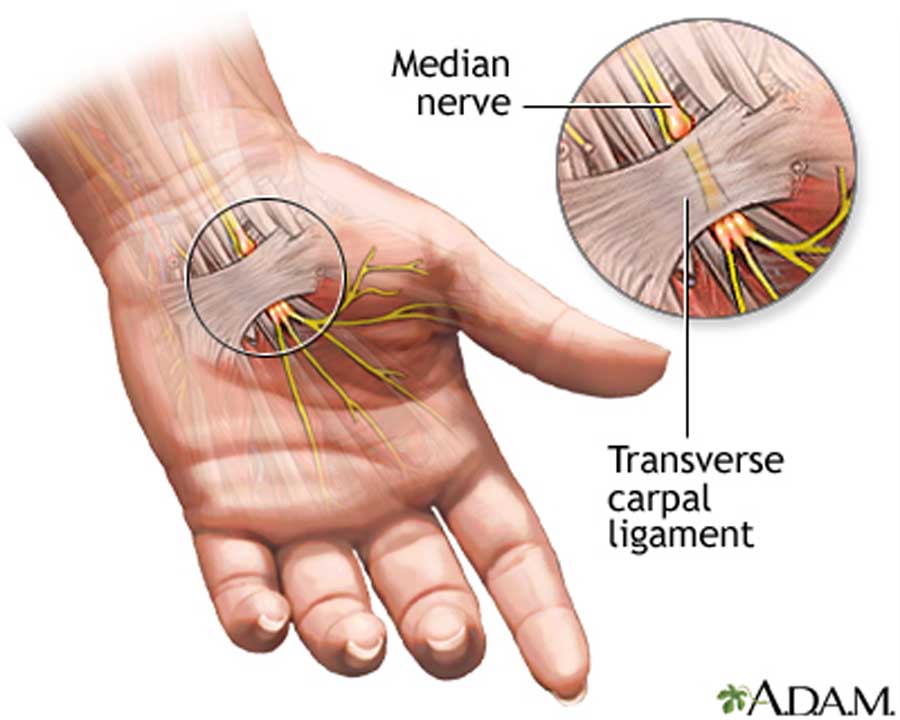
Carpal tunnel syndrome (CTS) is a common condition that affects the hand and forearm. It occurs when the median nerve, which runs from the forearm to the palm, is compressed or squeezed at the wrist. The median nerve controls the sensation and movement of the thumb, index finger, middle finger, and half of the ring finger. It also passes through a narrow passageway in the wrist called the carpal tunnel, along with nine tendons that bend the fingers and thumb.
Causes and Risk Factors
The exact cause of CTS is not known, but it is often related to factors that increase the pressure on the median nerve at the carpal tunnel. These factors include:
- Repetitive or prolonged use of the wrist, such as typing, sewing, knitting, or using tools
- Anatomic factors, such as a small carpal tunnel, a wrist fracture, or arthritis change the shape of the wrist bones
- Hormonal changes, such as pregnancy or menopause
- Medical conditions, such as diabetes, thyroid disorders, rheumatoid arthritis, or tumors
- Genetic factors, such as a family history of CTS or a hereditary condition that affects the nerves
Some people are more likely to develop CTS than others. Women are three times more likely than men to have CTS, possibly because they have smaller carpal tunnels. People who are obese, older, or have certain occupations that involve hand use are also at higher risk.
Symptoms and Diagnosis
The main symptoms of CTS are numbness, tingling, pain, and weakness in the hand and wrist. These symptoms usually start gradually and may affect one or both hands. They often occur at night or when waking up in the morning. They may also worsen with certain activities that involve gripping or flexing the wrist.
The symptoms of CTS can affect different parts of the hand depending on which part of the median nerve is compressed. For example:
- Numbness or tingling in the thumb, index finger, middle finger, and half of the ring finger
- Pain or burning in the palm, wrist, or forearm
- Difficulty grasping or holding objects
- Weakness or clumsiness of the thumb and fingers
- Muscle wasting at the base of the thumb
To diagnose CTS, a doctor will ask about your medical history and symptoms. They will also examine your hand and wrist for signs of nerve damage, such as loss of sensation, muscle weakness, or reduced reflexes. They may also perform some tests to measure the function and response of your median nerve. These tests may include:
- Nerve conduction studies (NCS), which use electrodes to stimulate and record the electrical signals in your nerves
- Electromyography (EMG), which uses needles to measure the electrical activity in your muscles
- X-rays, ultrasound, or magnetic resonance imaging (MRI), which can show any abnormalities in your wrist bones or soft tissues
Treatment and Prevention
The treatment of CTS depends on the severity of your symptoms and the underlying cause of your condition. The main goals of treatment are to relieve the pressure on your median nerve and to prevent further nerve damage.
Some common treatment options for CTS include:
- Self-care measures, such as resting your hand, applying ice or heat, taking over-the-counter pain relievers, wearing a wrist splint at night, doing exercises to stretch and mobilize your nerve, and avoiding activities that worsen your symptoms
- Medications, such as nonsteroidal anti-inflammatory drugs (NSAIDs) to reduce inflammation and pain, or corticosteroids to inject into your carpal tunnel to decrease swelling and pressure
- Surgery, which involves cutting through the transverse carpal ligament that forms the roof of your carpal tunnel to create more space for your median nerve. Surgery can be done using an open or endoscopic technique.
- Physical therapy, which can help you regain strength and function in your hand after surgery or as part of a conservative treatment plan
To prevent CTS or reduce its recurrence, you can take some steps to protect your hand and wrist from excessive stress. These steps include:
- Maintaining good posture and ergonomics when working with your hands
- Taking frequent breaks and stretching your hands and wrists periodically
- Using proper tools and equipment that fit your hand size and reduce vibration
- Keeping your hands warm and dry
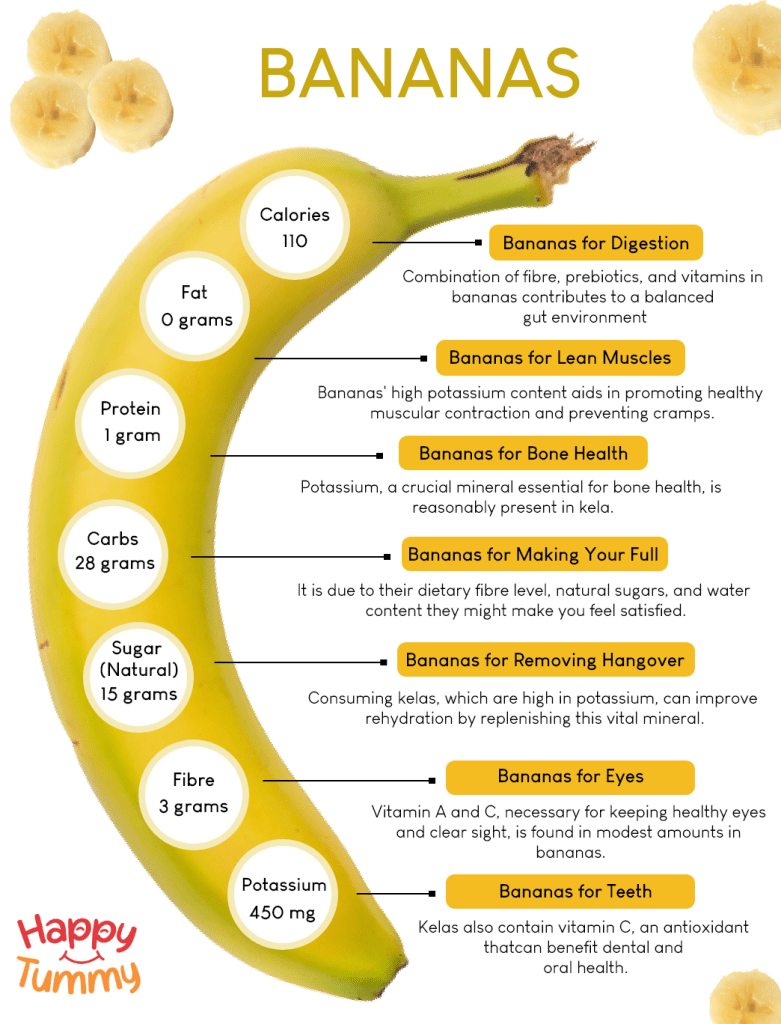
- Eating a balanced diet rich in omega-3 fatty acids, vitamins, and anti-inflammatory foods
- Managing any medical conditions that may contribute to CTS
Summary
Carpal tunnel syndrome is a common condition that causes numbness, tingling, pain, and weakness in the hand and forearm due to compression of the median nerve at the wrist. It can be caused by various factors that increase pressure on the nerve. It can be diagnosed by a doctor using physical examination and nerve tests. It can be treated with self-care measures, medications, surgery, or physical therapy. It can be prevented or reduced by avoiding or modifying activities that stress the hand and wrist.


 Stay Healthy Weekly
Leave a comment