
Medically reviewed by Gregory Minnis, DPT, Physical Therapy — By JC Jones —
Muscle weakness is a common complaint that can affect your ability to perform daily tasks, exercise, or enjoy your hobbies. Muscle weakness can have many different causes, ranging from temporary factors such as fatigue or infection to chronic conditions such as diabetes or multiple sclerosis. In this article, we will explore some of the possible reasons why your muscles may feel weak and what you can do to prevent or treat it.
Lack of Use or Exercise
One of the most common causes of muscle weakness is lack of use or exercise. If you lead a sedentary lifestyle, your muscles may lose their strength and tone over time. This is because the muscle fibers are partially replaced with fat, and the muscles become less chunky and more floppy. This condition is called deconditioning, and it can also occur after prolonged bed rest or immobilization due to injury or illness.
To prevent or reverse deconditioning, you need to engage in regular physical activity that challenges your muscles. This can include aerobic exercises such as walking, cycling, or swimming, as well as resistance exercises such as lifting weights, doing push-ups, or using elastic bands. Aim for at least 150 minutes of moderate-intensity exercise per week, and vary your routine to work different muscle groups.
Aging
Another common cause of muscle weakness is aging. As we get older, our muscles tend to lose mass and strength due to natural changes in the body. This process is called sarcopenia and can affect both men and women. Sarcopenia can also be influenced by hormonal changes, inflammation, oxidative stress, and reduced physical activity3.
Sarcopenia can lead to frailty, impaired mobility, increased risk of falls and fractures, and reduced quality of life. To slow down or prevent sarcopenia, you need to maintain a healthy diet that provides enough protein and calories to support your muscle health. You also need to do regular resistance exercises that challenge your muscles and stimulate their growth. In some cases, your doctor may prescribe supplements or medications that can help preserve your muscle mass and function.
Infections
Some infections can cause muscle weakness as a symptom or a complication. For example, the flu, COVID-19, polio, West Nile virus, and rheumatic fever can all affect your muscles and weaken them. This may be due to inflammation, dehydration, electrolyte imbalances, nerve damage, or muscle breakdown caused by the infection.
If you have an infection that causes muscle weakness, you need to rest and drink plenty of fluids to stay hydrated. You may also need to take medications such as antibiotics or antivirals to treat the infection. Depending on the severity of the infection and the muscle damage, you may need physical therapy or exercises to regain your muscle strength and function once you recover.
Chronic Diseases
Some chronic diseases can cause muscle weakness as a result of damage to the nerves, muscles, or other parts of the body. For example:
- Neuromuscular disorders such as muscular dystrophies, multiple sclerosis (MS), amyotrophic lateral sclerosis (ALS), myasthenia gravis, and Guillain-Barré syndrome can affect the communication between the brain and the muscles, leading to reduced muscle strength and coordination.
- Autoimmune diseases such as Graves’ disease, lupus, rheumatoid arthritis, and sarcoidosis can cause inflammation and damage to the muscles or the nerves that control them.
- Thyroid conditions such as hypothyroidism (underactive thyroid) and hyperthyroidism (overactive thyroid) can affect your metabolism and energy levels, which can affect your muscle function.
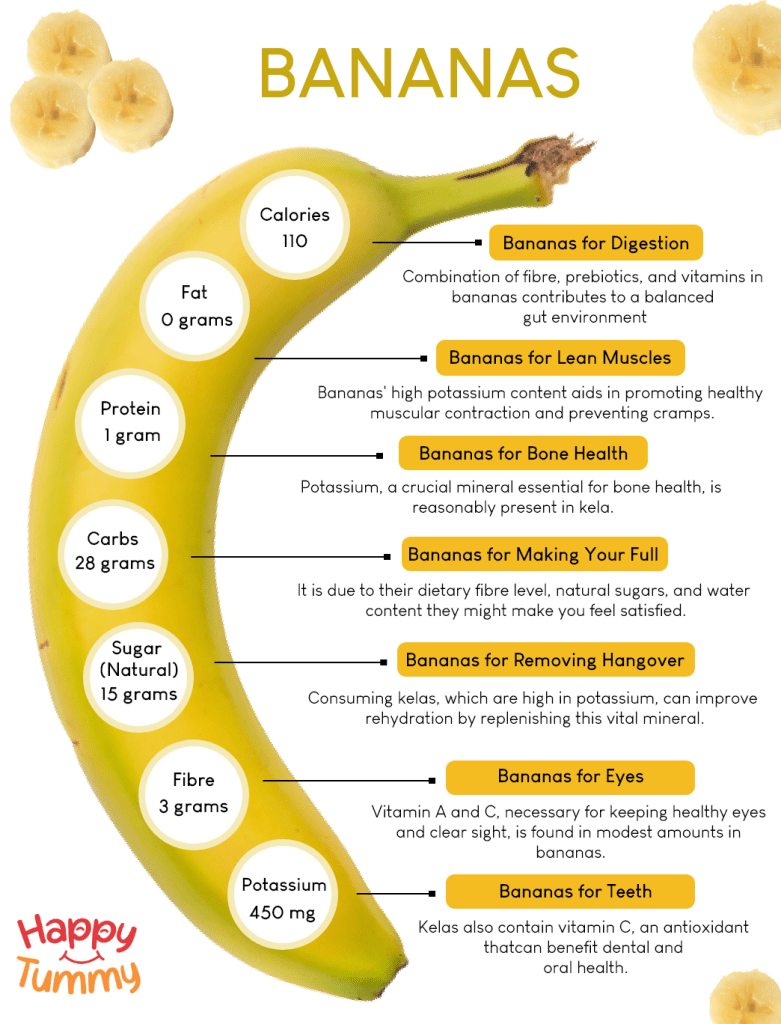
- Electrolyte imbalances such as hypokalemia (low potassium), hypomagnesemia (low magnesium), and hypercalcemia (high calcium) can affect the electrical signals that trigger muscle contractions.
- Diabetes can cause nerve damage (diabetic neuropathy) that can impair muscle sensation and movement.
- Kidney diseases can cause metabolic waste products to accumulate in your muscles, which can interfere with their function.
- A stroke can cause sudden muscle weakness on one side of your body due to reduced blood flow to the brain.
If you have a chronic disease that causes muscle weakness, you need to follow your doctor’s advice on how to manage your condition and prevent complications. You may need to take medications or undergo other treatments that can help improve your symptoms. You may also benefit from physical therapy or exercises that can help you maintain or improve your muscle strength and function.
Medications
Some medications can cause muscle weakness as a side effect or an adverse reaction. These include:
- Statins and other lipid-lowering agents can cause muscle pain, inflammation, or breakdown (rhabdomyolysis).
- Antiarrhythmic drugs such as amiodarone or procainamide can affect the electrical activity of the heart and the muscles.
- Corticosteroids can cause muscle wasting, weakness, and osteoporosis with long-term use.
- Colchicine can cause muscle damage and weakness when used to treat gout.
If you suspect that your medication is causing muscle weakness, you should not stop taking it without consulting your doctor. Your doctor may be able to adjust your dose, switch you to a different medication, or prescribe another medication that can counteract the side effects. You should also report any serious or unusual symptoms to your doctor or pharmacist as soon as possible4.
Conclusion
Muscle weakness can have many different causes, some of which are temporary and others that are chronic. If you experience muscle weakness that is persistent, severe, or unexplained, you should see a doctor for a proper diagnosis and treatment. You should also take steps to prevent or treat muscle weakness by staying physically active, eating a balanced diet, and following your doctor’s advice on managing any underlying conditions or medications. By doing so, you can improve your muscle health and function, and enjoy a better quality of life.



 Stay Healthy Weekly
Leave a comment