
Written by Dr. Group, DCFounder

The kidneys are vital organs that filter waste, toxins, and excess water from the blood. They also help balance electrolytes, produce hormones, and regulate blood pressure. To keep your kidneys healthy and functioning well, you may want to try a kidney cleanse diet.

A kidney cleanse diet involves eating and drinking certain foods, herbs, and beverages that may help flush out toxins from your kidneys and improve their function. It may also help prevent kidney problems, such as kidney stones, infections, or chronic kidney disease.

Foods and Drinks for a Kidney Cleanse

There is no scientific evidence that kidney cleanses can detoxify your kidneys or improve your health. However, some of the foods and drinks that are popular in kidney cleanse programs may have benefits for your kidneys and overall health. Here are some examples:

**Water**: Drinking enough water is essential for your kidneys and your whole body. Water helps your kidneys filter waste and toxins from your blood. It also helps prevent dehydration, which can affect your kidney function. The National Institute of Diabetes and Digestive and Kidney Diseases (NIDDK) recommends drinking six to eight 8-ounce glasses of water a day.

 **Cranberries**: Cranberries are known for their benefits for urinary tract health. They contain compounds that can prevent bacteria from sticking to the walls of the urinary tract and causing infections. They may also help lower the risk of kidney stones by reducing the amount of calcium oxalate in the urine. You can eat fresh or dried cranberries or drink unsweetened cranberry juice.

**Lemon**: Lemon juice contains citric acid, which can help prevent kidney stones from forming by binding with calcium in the urine. Citric acid also makes the urine less acidic, which can inhibit the growth of bacteria and crystals. You can squeeze some lemon juice into your water or tea or add it to your salads or dishes for a refreshing flavor.

**Grapes**: Grapes are rich in antioxidants and anti-inflammatory compounds that may protect your kidneys from damage. They also contain resveratrol, a plant compound that may help lower inflammation and oxidative stress in the kidneys. You can eat fresh or frozen grapes as a snack or add them to your smoothies or salads.

**Seaweed**: Seaweed is a type of algae that has many health benefits. It is high in fiber, minerals, antioxidants, and iodine. It may also help improve kidney function by reducing blood sugar levels, lowering blood pressure, and preventing kidney damage from diabetes. You can eat seaweed as a snack, or add it to your soups, salads, or sushi.

**Herbal teas**: Herbal teas are soothing beverages that can help hydrate your body and support your kidneys. Some herbs that may have diuretic or anti-inflammatory effects on the kidneys include dandelion, nettle, parsley, ginger, turmeric, and green tea. You can brew these herbs in hot water and drink them throughout the day.

Sample 2-Day Kidney Cleanse Plan

If you want to try a kidney cleanse diet, you can follow this sample 2-day plan. Remember to consult your doctor before starting any new diet or supplement regimen.

Day 1

**Breakfast**: A glass of water with lemon juice; oatmeal with fresh berries; green tea.

**Snack**: A handful of almonds; cranberry juice.

**Lunch**: A spinach salad with cucumber, avocado, grapes, and lemon dressing; vegetable soup; water.

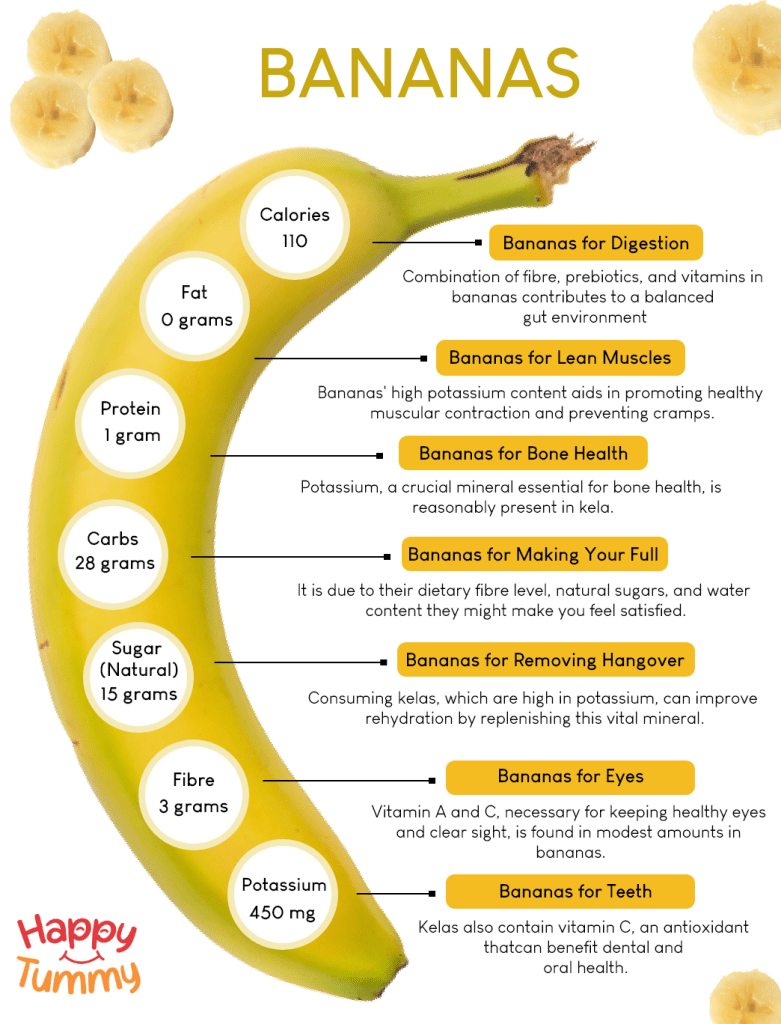
**Snack**: A banana; dandelion tea.

**Dinner**: Grilled salmon with broccoli and brown rice; seaweed salad; water.

**Before bed**: A glass of water with lemon juice.

Day 2

**Breakfast**: A glass of water with lemon juice; scrambled eggs with spinach and cheese; cranberry juice.

**Snack**: An apple; green tea.

**Lunch**: A turkey sandwich with whole wheat bread, lettuce, tomato, and mustard; carrot sticks with hummus; water.

**Snack**: A cup of yogurt with granola and dried cranberries; nettle tea.

**Dinner**: Roasted chicken with roasted potatoes and asparagus; mixed green salad with lemon dressing; water.

**Before bed**: A glass of water with lemon juice.

Risks and Considerations

A kidney cleanse diet is generally safe for most healthy adults who do not have any medical conditions that affect their kidneys. However, some people may experience side effects, such as:

- Dehydration
- Electrolyte imbalance
- Nausea
- Diarrhea
- Allergic reactions
- Interactions with medications

To avoid these risks, you should drink plenty of water, limit your salt intake, and eat a balanced diet that includes a variety of foods. You should also check with your doctor before using any herbs or supplements, especially if you have any kidney problems or take any medications.

A kidney cleanse diet is not a substitute for medical treatment. If you have any symptoms or signs of kidney disease, such as:

- Blood in the urine
- Foamy urine
- Swelling in the legs, ankles, or feet
- Fatigue
- Shortness of breath
- Nausea
- Loss of appetite

You should see your doctor as soon as possible for diagnosis and treatment.

Conclusion

A kidney cleanse diet is a way of eating and drinking certain foods, herbs, and beverages that may help support your kidney health and function. It may also help prevent kidney problems, such as kidney stones or infections.

However, there is no scientific evidence that kidney cleanses can detoxify your kidneys or improve your health. The best way to keep your kidneys healthy is to drink enough water, eat a balanced diet, and avoid excess salt and alcohol.

If you want to try a kidney cleanse diet, you can follow the sample 2-day plan above, or create your own plan based on the foods and drinks that are good for your kidneys. Remember to consult your doctor before starting any new diet or supplement regimen and seek medical attention if you have any symptoms or signs of kidney disease.
Advertisements
Advertisements


 Stay Healthy Weekly
Leave a comment