
By Ashley WelchMedically Reviewed by Kareem Sassi, MD
GERD, or Gastroesophageal Reflux Disease, is a common and chronic condition that affects the digestive system. It occurs when the lower esophageal sphincter (LES), a ring of muscle that separates the esophagus and the stomach, does not close properly or relaxes too often. This allows stomach acid or other contents to flow back into the esophagus, causing irritation and inflammation.
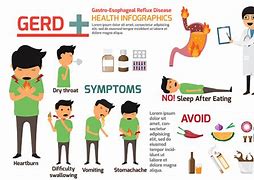
The main symptom of GERD is heartburn, which is a burning sensation in the chest or upper abdomen. Other symptoms may include regurgitation of food or sour liquid, difficulty swallowing, feeling of a lump in the throat, coughing, hoarseness or sore throat. Some people may also experience chest pain or discomfort, which can be mistaken for a heart attack.
GERD can be triggered or worsened by certain factors, such as obesity, pregnancy, hiatal hernia, smoking, eating large or late meals, eating spicy or fatty foods, drinking alcohol or caffeinated beverages, taking certain medications or having stress. GERD can also lead to complications, such as bleeding, ulcers, narrowing or scarring of the esophagus, or Barrett’s esophagus, which is a precancerous change in the lining of the esophagus.
The diagnosis of GERD is based on the history of symptoms and physical examination. Sometimes, tests may be done to confirm the diagnosis or check for complications. These tests may include upper endoscopy, ambulatory acid (pH) probe test, X-ray of the upper digestive system, esophageal manometry or trans nasal esophagoscopy. The treatment of GERD aims to reduce acid reflux and relieve symptoms. It may involve lifestyle changes, such as avoiding or limiting trigger foods and drinks, eating smaller and more frequent meals, not lying down after eating, elevating the head of the bed, losing weight if needed, quitting smoking and wearing loose clothing. It may also involve medications, such as antacids, H2 blockers or proton pump inhibitors, which can neutralize or reduce stomach acid production.
In some cases, surgery or other procedures may be recommended to strengthen the LES or create a barrier to acid reflux. GERD is a manageable condition that can be treated with proper care and follow-up. By following your doctor’s advice and making some lifestyle changes, you can prevent or reduce acid reflux and improve your quality of life.
Some common triggers of GERD are:
- Foods and drinks that are spicy, fatty, fried, acidic, caffeinated, alcoholic or contain chocolate, mint, garlic, onion, citrus or tomato. These can relax the LES or irritate the esophagus.
- Large or late meals that can overfill the stomach and increase the pressure on the LES. It is better to eat smaller and more frequent meals and avoid eating within three hours of bedtime.
- Obesity or pregnancy that can put extra pressure on the abdomen and the LES. Losing weight if needed and wearing loose clothing can help reduce this pressure.
- Smoking that can relax the LES and damage the lining of the esophagus. Quitting smoking can help prevent or reduce GERD symptoms.
- Certain medical conditions that can affect the LES or the stomach emptying, such as hiatal hernia, diabetes, gastroparesis or connective tissue disorders like scleroderma or lupus.
- Certain medications that can relax the LES or irritate the esophagus, such as aspirin, ibuprofen, naproxen, some blood pressure drugs, some muscle relaxants or some antidepressants.
If you have GERD, you may want to avoid or limit these triggers and see if your symptoms improve. You may also want to talk to your doctor about other treatment options.
GERD is treated with different approaches depending on the severity of the symptoms and the presence of any complications. The main goals of treatment are to reduce acid reflux and relieve symptoms. Some of the treatment options are:
- Lifestyle and dietary changes that can help prevent or reduce acid reflux, such as losing weight, avoiding trigger foods and drinks, eating smaller and more frequent meals, not lying down after eating, elevating the head of the bed, quitting smoking and wearing loose clothing¹.
- Medications that can neutralize or reduce stomach acid production, such as antacids, H2 blockers or proton pump inhibitors. These can help heal the esophagus and prevent complications. Some medications can also increase the motility of the digestive tract, such as prokinetic agents¹².
- Endoscopic therapy that can tighten the LES or create a barrier to acid reflux, such as transoral incisionless fundoplication (TIF), radiofrequency ablation, injection of bulking agents or implantation of a prosthesis. These are minimally invasive procedures that use an endoscope to perform the treatment².
- Surgery that can strengthen the LES or create a substitute for it, such as fundoplication or LINX device. These are more invasive procedures that require general anesthesia and hospitalization. They are usually reserved for patients who do not respond to medications or have severe complications².
Your doctor will help you decide which treatment option is best for you based on your symptoms, test results and preferences. You may need to try different treatments or combinations of treatments to find what works for you.

 Stay Healthy Weekly
Leave a comment