
By Mayo-Clinic/SHW Research Team
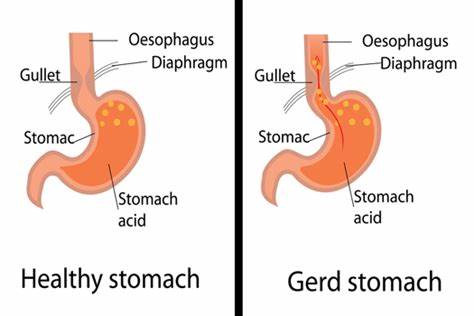
Gerd, or gastroesophageal reflux disease, is a common condition that affects many people. It occurs when the contents of the stomach, including acid, flow back into the esophagus, the tube that connects the mouth and the stomach. This can cause symptoms such as heartburn, chest pain, trouble swallowing, and a sour taste in the mouth.
Gerd can be caused by various factors, such as obesity, pregnancy, hiatal hernia, smoking, eating large or spicy meals, drinking alcohol or coffee, or taking certain medications. Some people may have Gerd without any symptoms, while others may have severe or frequent symptoms that interfere with their quality of life.
Gerd can be diagnosed by a doctor based on the history of symptoms and a physical examination. Sometimes, additional tests may be needed to confirm the diagnosis or to check for complications, such as:
- Upper endoscopy: A thin, flexible tube with a camera is inserted through the mouth into the esophagus and stomach to look for inflammation, ulcers, or other abnormalities.
- Ambulatory acid (pH) probe test: A device is placed in the esophagus to measure how often and how long acid reflux occurs.
- X-ray of the upper digestive system: A chalky liquid is swallowed to coat the lining of the esophagus and stomach and create a contrast for the X-ray images.
- Esophageal manometry: A tube is inserted through the nose into the esophagus to measure the pressure and coordination of the esophageal muscles.
- Trans-nasal esophagoscopy: A thin, flexible tube with a camera is inserted through the nose into the esophagus to look for any damage.
Gerd can be treated with lifestyle changes, medications, or surgery. Lifestyle changes may include:
- Losing weight if overweight or obese
- Avoiding foods and drinks that trigger symptoms
- Eating smaller and more frequent meals
- Not lying down for at least three hours after eating
- Elevating the head of the bed by six inches
- Quitting smoking
Medications may include:
- Antacids: These neutralize stomach acid and provide quick relief for mild symptoms.
- H2 blockers: These reduce the production of stomach acid and can be taken before meals or at bedtime.
- Proton pump inhibitors (PPIs): These block the final step of acid secretion and can heal inflammation in the esophagus. They are usually taken once a day before breakfast.
- Prokinetics: These help the stomach empty faster and prevent reflux.
Surgery may be an option for people who do not respond to medications or have severe complications. The most common surgery is called fundoplication, which involves wrapping part of the stomach around the lower end of the esophagus to strengthen the sphincter muscle that prevents reflux.
Gerd is a manageable condition that can be treated with various options. If you have symptoms of Gerd, you should consult your doctor for a proper diagnosis and treatment plan.

 Stay Healthy Weekly
Leave a comment