
By Cindie Penaranda RD / Nutritionist
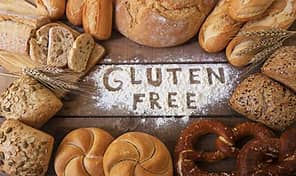
Gluten is a protein found in wheat, barley, rye, and some other grains. It helps foods hold their shape and gives them a chewy texture. For most people, gluten is harmless and even beneficial, as it provides nutrients and fiber. However, for some people, gluten can cause serious health problems.
Who Needs a Gluten-Free Diet?
A gluten-free diet is a must for people who have celiac disease or non-celiac gluten sensitivity. Celiac disease is an autoimmune disorder that affects about 1% of the population. When people with celiac disease eat gluten, their immune system attacks their own small intestine, causing inflammation and damage. This can lead to malabsorption of nutrients, anemia, osteoporosis, infertility, neurological disorders, and increased risk of some cancers.
Non-celiac gluten sensitivity is a less understood condition that affects up to 13% of the population. People with gluten sensitivity do not have damage to their small intestine, but they experience symptoms such as abdominal pain, bloating, diarrhea, constipation, headache, brain fog, joint pain, and skin rash after eating gluten.
The only treatment for both celiac disease and gluten sensitivity is to avoid gluten completely. Even small amounts of gluten can trigger symptoms and complications. Therefore, people with these conditions need to be very careful about what they eat and drink.
What Are the Benefits and Risks of a Gluten-Free Diet?
For people who have a medical reason to avoid gluten, a gluten-free diet can improve their quality of life and prevent long-term complications. They may notice relief from their symptoms, better digestion, more energy, and improved mood.
However, for people who do not have a gluten intolerance, a gluten-free diet may not offer any health benefits. In fact, it may have some drawbacks. Some of the potential risks of a gluten-free diet are:
- Nutrient deficiencies: Gluten-free products are often lower in fiber, iron, calcium, zinc, folate, vitamin B12, and other nutrients than their gluten-containing counterparts. These nutrients are important for various functions in the body, such as blood formation, bone health, immune system, and nerve function. People who follow a gluten-free diet may need to take supplements or eat fortified foods to meet their nutritional needs.
- Chronic disease risk: Gluten-free products are also often higher in calories, fat, sugar, and additives than their gluten-containing counterparts. These ingredients can contribute to weight gain, inflammation, insulin resistance, and cardiovascular disease. Moreover, some studies have shown that whole grains that contain gluten may protect against type 2 diabetes, metabolic syndrome, and some cancers by lowering blood pressure, cholesterol levels, blood sugar levels, and inflammation.
- Social and economic challenges: Following a gluten-free diet can be challenging in social situations and when eating out. People who avoid gluten may feel isolated or restricted in their food choices. They may also face difficulties in finding gluten-free options or ensuring that their food is not contaminated with gluten. Additionally, gluten-free products are often more expensive than regular products.
How to Follow a Gluten-Free Diet Safely and Effectively?
If you need or choose to follow a gluten-free diet, here are some tips to help you do it safely and effectively:
- Consult with your doctor and a registered dietitian: They can help you diagnose your condition and plan a balanced and varied diet that meets your nutritional needs and goals.
- Read food labels carefully: Look for the gluten-free certification or the words “gluten-free” on the package. Avoid foods that contain wheat, barley, rye, triticale (a cross between wheat and rye), or any derivatives of these grains. Be aware that some foods that seem gluten-free may contain hidden sources of gluten
- Include plenty of naturally gluten-free foods: Fruits,
vegetables,
beans,
seeds,
legumes,
nuts,
eggs,
lean meats,
fish,
poultry,
and most low-fat dairy products are naturally gluten-free and provide many nutrients and health benefits. - Choose gluten-free whole grains: Quinoa,
buckwheat,
millet,
amaranth,
and teff are examples of gluten-free whole grains that are rich in fiber,
minerals,
antioxidants,
and phytochemicals. - Avoid processed and refined foods: Many processed and refined foods are high in calories,
fat,
sugar,
and additives that can harm your health. - Cook at home more often: Cooking at home gives you more control over what you eat and how you prepare it. You can use fresh ingredients and avoid cross-contamination with gluten.
- Seek support from others: Joining a support group or online community of people who follow a gluten-free diet can help you share tips,
recipes,
resources,
and experiences.
Conclusion
A gluten-free diet is essential for people who have celiac disease or gluten sensitivity, as it can improve their symptoms and prevent complications. However, for people who do not have a gluten intolerance, a gluten-free diet may not offer any health benefits and may even have some risks. Therefore, before you decide to go gluten-free, you should consult with your doctor and a registered dietitian to assess your health status and nutritional needs. They can help you plan a balanced and varied diet that suits your individual needs and preferences. Remember that a healthy diet is one that makes you feel good and supports your well-being.

 Stay Healthy Weekly
Leave a comment