
By Lura Flandell RD
Here is a possible article on the topic: The Pros and Cons of a High-Protein Diet. Protein is an essential nutrient that plays a vital role in many functions of the body, such as hormone production, enzyme activity, tissue repair, and muscle growth. However, how much protein do we really need, and what are the effects of consuming too much or too little of it? A high-protein diet is a type of eating plan that emphasizes consuming more protein and fewer carbohydrates and fat. It is often used for weight loss, muscle building, or improving athletic performance. However, it is not without risks and limitations.
In this article, we will explore the pros and cons of a high protein diet and provide some tips on how to follow it safely and effectively. **Pros of a High-Protein Diet** One of the main benefits of a high-protein diet is that it can help you lose weight by reducing your appetite and calorie intake. Protein is more filling than carbohydrates or fat, as it takes longer to digest and stimulates the release of hormones that signal satiety. This means that you will feel less hungry and more satisfied after eating a high-protein meal or snack.
Another benefit of a high-protein diet is that it can boost your metabolism and increase the number of calories you burn. Protein has a higher thermic effect than carbohydrates or fat, which means that it requires more energy to process and use. Moreover, protein can help you preserve muscle mass and strength, which is especially important during weight loss or aging.
Muscle tissue is metabolically active and burns more calories than fat tissue, even at rest. A third benefit of a high-protein diet is that it can provide you with essential amino acids that your body cannot produce on its own. Amino acids are the building blocks of proteins, and they are involved in various functions of the body, such as hormone production, enzyme activity, tissue repair, and immune system function.
Some amino acids are considered essential, meaning that they must be obtained from food sources. A high-protein diet can ensure that you get enough of these amino acids to support your health and well-being. **Cons of a High-Protein Diet** Despite its benefits, a high-protein diet also has some drawbacks that you should be aware of. One of the main drawbacks is that it may limit your intake of fruits, vegetables, whole grains, and other foods that are rich in antioxidants, vitamins, minerals, and fiber.
These nutrients are important for your digestion, immunity, and overall health. They can also help prevent chronic diseases such as diabetes, heart disease, and cancer. By restricting your intake of these foods, you may miss out on their health benefits and increase your risk of nutrient deficiencies. Another drawback of a high-protein diet is that it may increase your intake of animal fats, processed meats, and other foods that are high in saturated fat and cholesterol.
These foods can raise your levels of low-density lipoprotein (LDL) cholesterol, which is the “bad” cholesterol that can clog your arteries and increase your risk of heart disease, stroke, and some cancers. They can also cause inflammation in your body, which can contribute to various health problems. A third drawback of a high-protein diet is that it may worsen kidney function in people with kidney disease or diabetes. This is because protein metabolism produces waste products such as urea and ammonia, which need to be filtered out by the kidneys. When you consume too much protein, you put extra strain on your kidneys to remove these waste products from your blood. This can lead to kidney damage or failure over time.
A fourth drawback of a high-protein diet is that it may cause side effects such as bad breath, headache, constipation, dehydration, nausea, and fatigue. These side effects are usually caused by ketosis, which is a metabolic state where your body burns fat instead of carbohydrates for energy. Ketosis occurs when you drastically reduce your carbohydrate intake and increase your protein intake. While ketosis can help you lose weight in the short term, it can also make you feel unwell and impair your cognitive function.
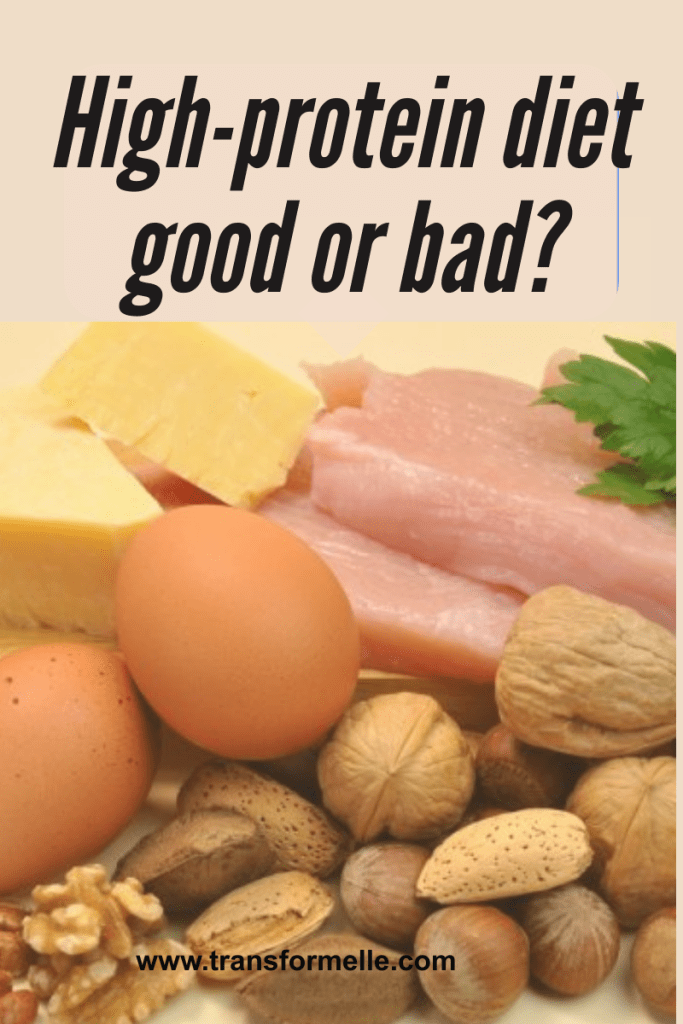
**Tips for Following a High-Protein Diet Safely and Effectively** If you decide to follow a high-protein diet for any reason, here are some tips to help you do it safely and effectively: – Consult with your healthcare provider or a registered dietitian before starting any new diet plan, especially if you have any underlying health conditions or special dietary needs. – Choose lean sources of protein such as poultry, fish, eggs, low-fat dairy products, soy products, beans, nuts, and seeds.
Avoid or limit red meats, processed meats, and other foods high in saturated fat and cholesterol. – Include fruits, vegetables, whole grains, and other foods high in antioxidants, vitamins, minerals, and fiber in your diet. These foods can help balance out the effects of protein on your body and provide you with essential nutrients and health benefits. – Drink plenty of water and fluids to stay hydrated and prevent constipation and kidney problems. Water can also help you feel full and flush out toxins from your body. – Monitor your protein intake and adjust it according to your goals, activity level, and health status.
The recommended dietary allowance (RDA) for protein is 0.8 grams per kilogram of body weight per day for adults. However, this may vary depending on your age, gender, weight, and health condition. Some experts suggest that a high-protein diet should provide between 1.2 and 2.0 grams of protein per kilogram of body weight per day for optimal results. – Balance your protein intake with moderate amounts of carbohydrates and healthy fats. Carbohydrates are the main source of energy for your brain and muscles, and they can help prevent ketosis and its side effects. Healthy fats can help lower your LDL cholesterol and inflammation and support your heart and brain health. Aim for a macronutrient ratio of 40% protein, 30% carbohydrates, and 30% fat for a balanced high-protein diet. – Be mindful of your portion sizes and calorie intake. While protein can help you feel full and reduce your appetite, it is not a magic bullet for weight loss. You still need to create a calorie deficit by burning more calories than you consume to lose weight. A high-protein diet can help you achieve this goal, but only if you control your portion sizes and avoid overeating.
**Conclusion** A high-protein diet is a type of eating plan that emphasizes consuming more protein and fewer carbohydrates and fat. It may have some benefits for weight loss, muscle mass, and metabolic health, but it also has some potential drawbacks. Before starting a high-protein diet, you should consult with your healthcare provider or a registered dietitian and follow some tips to do it safely and effectively. A balanced diet that includes a moderate amount of protein from various sources, along with plenty of fruits, vegetables, whole grains, healthy fats, and fluids, may be a better option for most people.

 Stay Healthy Weekly
Leave a comment