
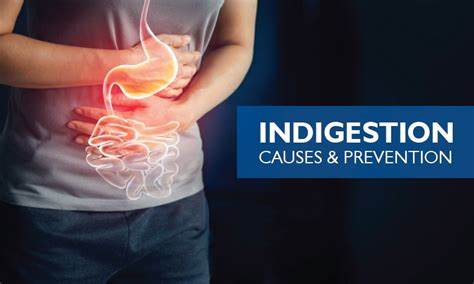
Understanding Indigestion
Content By C. Miller M.D. / SHW Research Team
Indigestion, also known as dyspepsia, is a term used to describe a burning sensation or pain in your upper abdomen. Symptoms, such as bloating, nausea, burping, and gas, often occur after eating or drinking. Indigestion can be caused by various factors, such as eating too fast or too much, consuming spicy or fatty foods, drinking alcohol or caffeine, smoking, stress, anxiety, or certain medications.
Indigestion can usually be treated with lifestyle changes and over-the-counter (OTC) medications. However, if your indigestion is severe, frequent, or accompanied by other symptoms, such as weight loss, vomiting, difficulty swallowing, or blood in your stool, you should see your doctor for a proper diagnosis and treatment.
Here are some home remedies and tips that can help you relieve indigestion:
Natural Remedies
Some natural remedies that may ease indigestion include:
- Baking soda: baking soda, or sodium bicarbonate, is a safe and effective way to neutralize the acid in your stomach and relieve acid indigestion, gas, bloating, and heartburn. To use baking soda at home as an antacid, dissolve one-half teaspoon of baking soda in 4 ounces of water. Drink the solution within one to two hours after a meal. You can repeat every two hours as needed until your symptoms improve. However, do not exceed seven one-half teaspoon doses within 24 hours or take baking soda for more than two weeks without consulting your doctor.
- Chamomile tea: Chamomile tea may help ease indigestion by relaxing the digestive muscles and soothing the stomach lining. Chamomile tea also has anti-inflammatory and anti-spasmodic properties that can help reduce gas and cramps. To make chamomile tea, steep one teaspoon of dried chamomile flowers or one chamomile tea bag in a cup of hot water for 5 to 10 minutes. Strain and drink the tea after a meal or before bedtime[^1^][1] [^2^][2].
- Ginger: Ginger is a traditional remedy for indigestion that can stimulate digestion and prevent nausea. Ginger also has anti-inflammatory and anti-microbial effects that can protect the stomach from irritation and infection. To use ginger for indigestion, you can chew on a small piece of fresh ginger root, drink ginger tea, or take ginger supplements. However, avoid taking more than 4 grams of ginger per day or using ginger if you have a bleeding disorder or are taking blood-thinning medications.
- Peppermint: Peppermint can help relieve indigestion by relaxing the smooth muscles of the digestive tract and easing spasms. Peppermint also has a cooling effect that can soothe the stomach and reduce inflammation. To use peppermint for indigestion, you can drink peppermint tea, suck on peppermint candies, or take peppermint oil capsules. However, avoid peppermint if you have gastroesophageal reflux disease (GERD) or a hiatal hernia as it may worsen your symptoms.
OTC Medications
Several OTC medications can effectively relieve indigestion by reducing acid production or neutralizing stomach acid. These include:
- Antacids: Antacids are the first choice for mild to moderate indigestion. They work by neutralizing the acid in your stomach and relieving symptoms such as heartburn, gas, bloating, and nausea. Examples of antacids are Tums, Rolaids, Maalox, Mylanta, Alka-Seltzer, and Gaviscon. Antacids are available in chewable tablets, liquids, or effervescent forms. You can take them as needed after a meal or before bedtime.
- H2 blockers: H2 blockers are another option for indigestion that occurs frequently or with heartburn. They work by blocking histamine receptors in the stomach cells that produce acid. This reduces the amount of acid in your stomach and prevents acid reflux. Examples of H2 blockers are Zantac (ranitidine), Pepcid (famotidine), Tagamet (cimetidine), and Axid (nizatidine). H2 blockers are available in tablets or liquids that you can take once or twice a day before a meal.
- Proton pump inhibitors (PPIs): PPIs are the most potent medications for indigestion that is severe or does not respond to other treatments. They work by inhibiting an enzyme in the stomach cells that pumps acid into the stomach. This lowers the acid level in your stomach and heals any damage to the esophagus or stomach lining. Examples of PPIs are Prilosec (omeprazole), Peracid (lansoprazole), Nexium (esomeprazole), Protonix (pantoprazole), and Aciphex (rabeprazole). PPIs are available in tablets or capsules that you can take once a day before a meal.
Lifestyle Changes
Lifestyle changes can help prevent or reduce indigestion by avoiding triggers and improving your digestive health. Some lifestyle changes that can help with indigestion are:
- Eating smaller, more frequent meals: Eating too much or too fast can overload your stomach and cause indigestion. Eating smaller, more frequent meals can help your stomach digest food more easily and prevent overeating. You should also chew your food slowly and thoroughly to aid digestion and avoid swallowing air.
- Avoiding foods that trigger indigestion: Certain foods can irritate your stomach or increase acid production and cause indigestion. These include spicy, fatty, fried, acidic, or processed foods, as well as carbonated beverages, alcohol, caffeine, chocolate, mint, garlic, onion, and tomato. You should avoid or limit these foods if they trigger your symptoms and eat more bland, low-fat, high-fiber foods instead.
- Maintaining a healthy weight: Excess weight can put pressure on your abdomen and push up your stomach, causing acid to back up into your esophagus and cause indigestion. Losing weight can help reduce this pressure and improve your digestive health. You should aim for a healthy weight by following a balanced diet and exercising regularly.
- Quitting smoking: Smoking can damage the lining of your stomach and esophagus and increase acid production. It can also weaken the lower esophageal sphincter (LES), the muscle that prevents acid from flowing back into the esophagus. Quitting smoking can help heal your stomach and esophagus and prevent indigestion. You can ask your doctor for help with quitting smoking or use nicotine replacement products or other aids.
- Managing stress and anxiety: Stress and anxiety can affect your digestion and cause indigestion. They can also make you eat more or less than usual or consume unhealthy foods. Managing stress and anxiety can help you relax your mind and body and improve your digestive health. You can try various techniques to cope with stress and anxiety, such as meditation, yoga, breathing exercises, counseling, hobbies, or social support.
When to See a Doctor
Indigestion is usually not a serious condition and can be treated at home with natural remedies or OTC medications. However, you should see your doctor if:
- Your indigestion is severe or lasts longer than two weeks
- Your indigestion occurs more than twice a week or interferes with your daily activities
- Your indigestion is accompanied by other symptoms, such as weight loss, vomiting, difficulty swallowing, blood in your stool or vomit, chest pain, shortness of breath, sweating, or jaundice
- Your indigestion does not improve with home remedies or OTC medications
- You are older than 55 years old and have new or worsening symptoms of indigestion
These signs may indicate a more serious condition that requires medical attention, such as peptic ulcer disease, gastroesophageal reflux disease (GERD), gastritis, gallstones, pancreatitis, stomach cancer, or heart attack.
Your doctor will perform a physical exam and ask you about your medical history and symptoms. They may also order some tests to diagnose the cause of your indigestion, such as blood tests, breath tests, stool tests, endoscopy, X-ray, or CT scan.
Depending on the diagnosis, your doctor may prescribe different medications or treatments for your indigestion. These may include antibiotics for H. pylori infection , anti-inflammatory drugs for gastritis , surgery for gallstones , chemotherapy for stomach cancer , or angioplasty for heart attack .
You should follow your doctor’s instructions and take your medications as prescribed. You should also continue to follow the home remedies and lifestyle changes mentioned above to prevent or reduce indigestion in the future.
Summary
Indigestion is a common condition that causes discomfort in your upper abdomen after eating or drinking. It can be caused by various factors, such as eating too fast or too much , consuming spicy or fatty foods , drinking alcohol or caffeine , smoking , stress , anxiety , or certain medications .
Indigestion can usually be treated at home with natural remedies , such as baking soda , chamomile tea, ginger, or peppermint, or OTC medications, such as antacids, H2 blockers, or PPIs.


 Stay Healthy Weekly
Leave a comment